
 AUS
AUS
 NZ
NZ
 UK
UK
 CA
CA
 USA
USA
 IND
IND





Highlights
- Magna International operates as a global automotive supplier across major vehicle markets.
- Shares recently moved above a long term trading average during market activity.
- The company maintains a broad manufacturing and engineering footprint across multiple regions.
Canada’s automotive supply sector plays a significant role in global vehicle production, supporting manufacturers through engineering, components, and complete system integration. Magna International Inc. (TSX:MG) operates within this environment as one of the largest automotive suppliers, delivering a wide range of vehicle technologies and manufacturing solutions. Companies in this segment are often associated with broader market indicators such as the s&p composite index, which reflects activity across key sectors including industrials, financial services, and materials. Participation of industrial manufacturers within this benchmark highlights the importance of automotive supply chains in the broader economic structure.
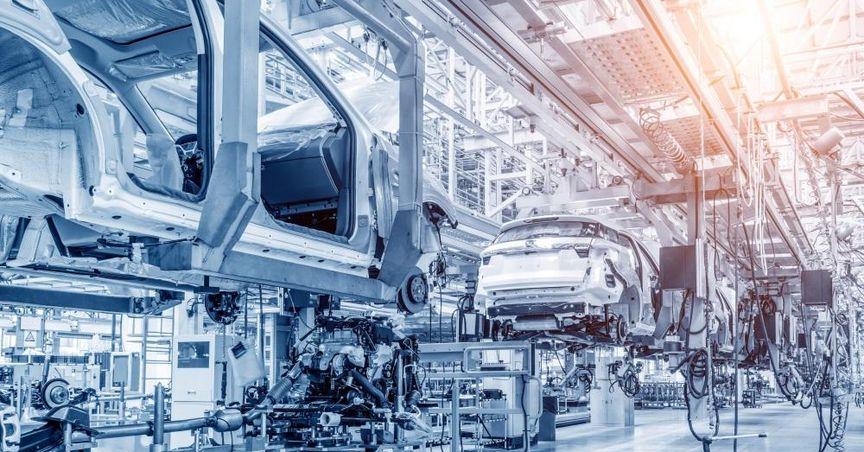
Magna International Inc. provides components, systems, and complete vehicle assembly solutions to automotive manufacturers across North America, Europe, and Asia. The company’s operations include body and chassis systems, powertrain technologies, seating systems, electronics, and advanced driver assistance technologies. This diversified portfolio connects the organization with multiple stages of vehicle production, from component manufacturing to final assembly.
Movement Above Long Term Trading Average
Recent market activity indicated that shares of Magna International Inc. (TSX:MG) moved above a long term trading average during a trading session. This movement followed a period during which the share value had been aligned with a lower range relative to the same benchmark. Trading activity during the session reflected increased engagement, with shares reaching a higher level before stabilizing later in the day.
Long term averages are commonly used to observe trends over extended periods. Movement above such averages can indicate a shift in market behavior relative to historical patterns. These trends are often monitored alongside shorter term averages that reflect more recent activity. In this case, the shorter term average remained closely aligned with recent trading levels, suggesting a consolidation phase prior to the observed movement.
Trading volume during the session also reflected participation levels within the market. Activity levels remained consistent with prior trading periods, indicating continued engagement among market participants. Such patterns contribute to broader observations regarding trading behavior within industrial and automotive sectors.
Financial Performance and Operational Scale
Magna maintains a large operational scale supported by manufacturing facilities, engineering centers, and a global workforce. The company’s activities generate revenue through the production and supply of automotive components and systems. Financial performance reflects demand within global automotive markets, which is influenced by vehicle production levels and supply chain conditions.
Operational efficiency within manufacturing facilities remains a key factor in maintaining consistent production. Supply chain management plays a central role in coordinating raw material procurement, component production, and delivery schedules. These processes support continuous manufacturing operations across multiple regions.
Global automotive demand can influence production levels across suppliers. Changes in vehicle production schedules, supply chain disruptions, or shifts in consumer demand can impact manufacturing activity within the sector. Companies operating within this environment maintain flexible production systems designed to adapt to changing conditions.
Industrial Representation Within Market Benchmarks
Industrial and automotive companies form a notable part of broader Canadian market benchmarks such as the S&P/Tsx 60. These benchmarks track companies across multiple sectors, including industrial manufacturing, financial services, energy, and materials. Automotive suppliers contribute to industrial representation within these benchmarks due to their role in global manufacturing networks.
Magna’s presence within this industrial landscape reflects the importance of automotive production within Canada’s economy. The automotive sector connects manufacturing, engineering, logistics, and technology development across multiple industries. Suppliers play a critical role in supporting vehicle manufacturers through component production and system integration.
Global manufacturing trends continue to shape the automotive supply chain. Advancements in automation, digital manufacturing processes, and vehicle technology development influence production strategies across the sector. Companies operating within this space adapt to these trends through ongoing technological development and operational adjustments.
Automotive Supply Chain and Global Operations
Magna operates as a key participant in the global automotive supply chain. The company supports vehicle manufacturers by providing engineered systems and manufacturing services that integrate into final vehicle production. Operations span multiple regions, including North America, Europe, and China, reflecting the global nature of the automotive industry.
Automotive supply chains involve coordination between component manufacturers, system integrators, and original equipment manufacturers. Suppliers such as Magna provide essential components that contribute to vehicle safety, performance, and functionality. These components include structural elements, drivetrain systems, electronic modules, and interior systems.
Manufacturing facilities are distributed across numerous countries, enabling production close to major automotive markets. This geographic distribution supports efficient logistics and alignment with regional vehicle production hubs. Engineering centers complement manufacturing operations by developing technologies tailored to evolving automotive requirements.
Engineering Capabilities and Vehicle Technologies
Magna International Inc. (TSX:MG) operational framework includes engineering capabilities focused on vehicle systems and mobility technologies. Development efforts span multiple areas including electrification, advanced driver assistance systems, and lightweight materials. These technologies support evolving trends within the automotive sector as manufacturers adapt to regulatory requirements and changing consumer preferences.
Electrification technologies involve systems designed to support electric and hybrid vehicles. These systems include battery enclosures, electric drivetrains, and energy management solutions. Advanced driver assistance technologies contribute to vehicle safety through features such as collision avoidance systems and sensor integration.
Lightweight materials play an important role in improving vehicle efficiency. Materials such as aluminum and composite structures are used to reduce overall vehicle weight while maintaining structural integrity. Engineering teams focus on integrating these materials into vehicle platforms while meeting performance and safety requirements.
