
 AUS
AUS
 NZ
NZ
 UK
UK
 CA
CA
 USA
USA
 IND
IND






Highlights
- Fashion retailer activity highlights evolving retail dynamics across North America
- Brokerage updates reflect shifting sentiment around apparel sector performance
- Market movements coincide with broader trends in discretionary consumer spending
Aritzia developments reflect changes in the s&p tsx composite retail segment, with updates on brand strategy, market activity, and expansion shaping its presence in fashion industry.
The apparel and retail sector continues to shape performance within the S&P TSX Index, with companies such as Aritzia drawing attention amid changing consumer behavior and retail expansion strategies. As a vertically integrated design house, the company operates across both physical retail locations and digital platforms, offering a portfolio of exclusive fashion brands that cater to a broad customer base.
Retail Positioning and Brand Strategy
Aritzia (TSX:ATZ) operates as a multi-brand retailer, developing in-house labels that span a range of apparel categories including outerwear, dresses, knitwear, and accessories. The company maintains control over design, sourcing, and merchandising processes, allowing for consistency in brand presentation and product assortment. This integrated approach supports alignment between creative direction and retail execution.
The company’s store network across Canada and the United States reflects a focus on premium retail environments. Store layouts emphasize curated collections and consistent brand identity, reinforcing customer engagement within physical locations. At the same time, eCommerce platforms provide an additional channel for distribution, extending reach beyond traditional storefronts.
Brokerage Revisions and Market Activity
Recent updates from several brokerage firms have drawn attention to Aritzia (TSX:ATZ), with revised target levels indicating adjustments in expectations for the company’s performance. These revisions follow a period of movement in the apparel retail segment, where changing demand patterns and seasonal trends have influenced company valuations.
Market activity has reflected these developments, with share movement observed alongside broader sector trends. Fluctuations have occurred despite continued expansion efforts and evolving merchandising strategies. Such dynamics illustrate the interaction between external market conditions and internal business developments.
Operational Structure and Revenue Streams
Revenue generation for the company is primarily derived from retail operations, with eCommerce contributing a growing share of total sales. Physical stores remain a central component, providing brand visibility and customer experience, while digital platforms offer convenience and accessibility.
Product offerings encompass a wide range of categories, including casual wear, formal apparel, and seasonal collections. The company’s focus on exclusive brands differentiates it from retailers that rely heavily on third-party labels. This distinction supports brand recognition and customer loyalty across markets.
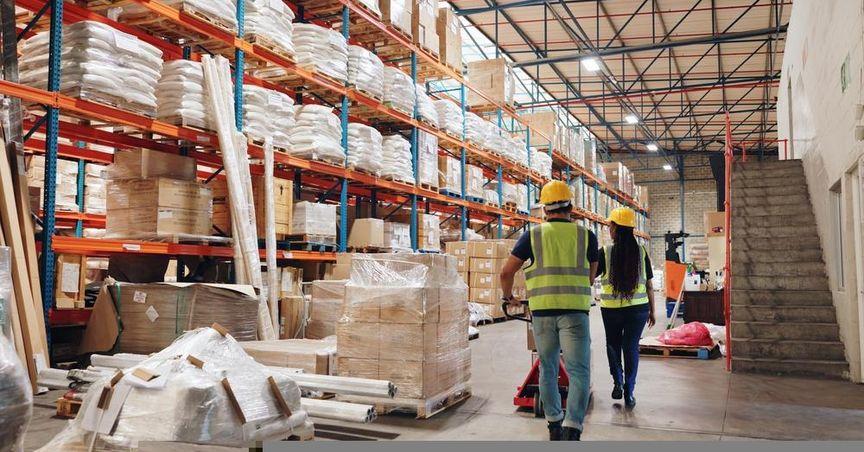
Geographically, operations are concentrated in Canada and the United States, with expansion efforts focused on strengthening presence in key urban centers. Distribution channels are supported by logistics infrastructure designed to manage inventory flow between warehouses, stores, and online fulfillment systems.
Industry Context and Consumer Trends
The apparel sector operates within the broader consumer discretionary category, where spending patterns are influenced by economic conditions, seasonal cycles, and shifting preferences. Retailers have adapted by enhancing omnichannel capabilities, integrating online and offline experiences to meet evolving expectations.
Within the s and p tsx index landscape, companies in the retail segment often reflect changes in consumer sentiment. Demand for fashion products can vary based on lifestyle trends, climate considerations, and cultural influences, requiring retailers to adjust product assortments accordingly.
Aritzia’s (TSX:ATZ) focus on exclusive designs aligns with a broader industry shift toward brand differentiation. By offering distinct collections, the company positions itself within a competitive market that includes both mass-market and premium retailers. This approach emphasizes identity and consistency across product lines.
Financial Metrics and Market Indicators
Market indicators associated with the company include valuation multiples, trading ranges, and balance sheet metrics. These measures provide insight into the company’s financial structure and operational efficiency. Observed fluctuations in trading activity have occurred alongside broader movements within the retail sector.
Liquidity and leverage metrics also contribute to an understanding of operational capacity, reflecting how resources are managed across business segments. These indicators form part of the overall picture of company performance within the competitive retail environment.
Expansion and Store Development
Store expansion remains a key component of the company’s growth framework, with new locations opening in select markets. These additions are designed to enhance brand visibility and capture demand in high-traffic retail areas. Store formats continue to evolve, incorporating design elements that align with brand identity.
Digital initiatives complement physical expansion, with improvements to online platforms supporting customer engagement and order fulfillment. Integration between channels enables a seamless shopping experience, reflecting broader industry practices.
