
 AUS
AUS
 NZ
NZ
 UK
UK
 CA
CA
 USA
USA
 IND
IND





Highlights
- ASX falters as trade-related concerns weigh on sentiment.
- Australian dollar hits a seven-month low due to tariff uncertainties.
- Market sentiment shifts after new U.S. trade policy announcement.
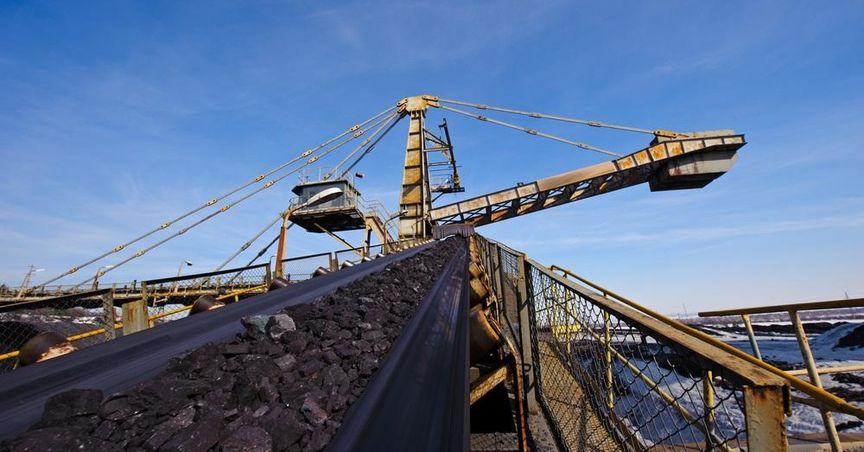
The Australian Securities Exchange (ASX) faced a downturn, reflecting a cautious sentiment across local markets. This development coincides with a notable decline in the Australian dollar, which reached a seven-month low, amid escalating global trade tensions. The ASX metals and mining sector, a key driver of the local market, also faced headwinds as commodity prices reacted to the uncertainty surrounding trade policies.
The sharp reaction in the markets followed an announcement by incoming U.S. President Donald Trump regarding sweeping tariff plans. A proposed 25% tariff on products from Mexico and Canada, along with a 10% tariff targeting China, has sparked concerns over potential disruptions to global trade dynamics.
ASX Performance Dampened by Trade Concerns
Sectors across the ASX experienced mixed performance, with trade-exposed companies bearing the brunt. Heavyweights such as BHP Group (ASX:BHP) and Rio Tinto (ASX:RIO) faced downward pressure as market participants weighed the implications of the tariffs on commodities and supply chains. Defensive sectors like healthcare showed relative resilience, providing some stability amidst broader declines.
The announcement has also heightened uncertainty for businesses reliant on international trade. Companies with significant exposure to U.S., Mexican, or Chinese markets are seen reassessing strategies to navigate the shifting landscape.
Australian Dollar Slides
The Australian dollar's slide to a seven-month low reflects global apprehensions about trade flows and currency impacts. Weakness in the currency also aligns with broader declines in risk-sensitive assets. The prospect of prolonged trade disputes has intensified market volatility, influencing commodities and foreign exchange markets alike.
Export-driven industries may face near-term challenges from currency fluctuations. However, some domestic-focused sectors could find opportunities as a weaker dollar bolsters competitiveness for locally produced goods and services.
Broader Implications for the Global Market
The proposed tariffs represent a shift in trade policy, prompting concerns about retaliatory measures and disruptions across supply chains. Major trading economies are expected to adapt policies to counteract potential impacts, which could redefine international commerce.
While the full ramifications remain to be seen, the immediate market reaction underscores the sensitivity of financial systems to policy shifts. Companies and markets alike are preparing for a period of heightened complexity as the global economy adjusts to these developments.
This episode highlights the interconnectedness of global trade and the influence of geopolitical events on local markets. As participants monitor these changes, the focus remains on mitigating risks and adapting to a rapidly evolving environment.
