
 AUS
AUS
 NZ
NZ
 UK
UK
 CA
CA
 USA
USA
 IND
IND



_06_19_2026_12_34_15_139937.jpg)

Highlights
- Rio Tinto reports Q3 production figures with mixed results across key commodities.
- Arcadium Lithium acquisition strengthens Rio Tinto's lithium portfolio.
- Decarbonisation efforts continue with renewable energy partnerships.
Rio Tinto Ltd (ASX:RIO) has seen its share price decline by more than 1% after releasing its third-quarter 2024 update. The mining giant is renowned for its iron ore production but is also a significant player in copper, aluminium, bauxite, and titanium dioxide. The latest update provides insights into the company’s performance and future growth areas.
Q3 Production Overview
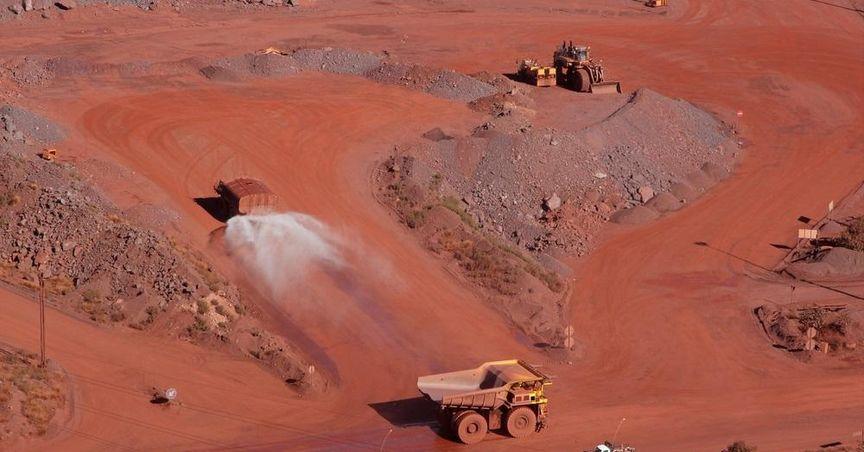
In the three months ending September 2024, Rio Tinto shared detailed production figures for its key resources. The company reported that iron ore production reached 84.1 million tonnes (mt), marking a 1% increase compared to the same period last year and a 6% rise quarter-on-quarter. This steady growth is driven by productivity gains, which are helping to counteract ore depletion, particularly in its Australian operations.
However, the company’s mined copper production decreased by 1% year-on-year to 168kt, alongside a 2% drop quarter-on-quarter. Similarly, aluminium production reached 809kt for the quarter, reflecting a 2% year-on-year decline. On the other hand, bauxite production saw positive growth, with 15.1mt produced—an 8% year-on-year increase.
Rio Tinto emphasized that productivity improvements from its Safe Production System have contributed to the stability in its iron ore operations. Additionally, the company noted significant developments, including its Simandou high-grade iron ore project in Africa, which is expected to begin production next year. Another highlight is the upcoming start of lithium production from its Rincon starter plant, set to commence by the end of 2024.
Arcadium Lithium Acquisition
Rio Tinto has strengthened its position in the lithium market with the acquisition of Arcadium Lithium CDI (ASX:LTM). CEO Jakob Stausholm explained that this acquisition brings a “world-class” lithium business under the Rio Tinto umbrella, complementing its aluminium and copper divisions. This move aligns with the company’s long-term strategy and its capital allocation framework, particularly as the demand for lithium grows with the energy transition.
Stausholm added that this acquisition allows Rio Tinto to expand into a high-growth market, positioning the company strategically for future opportunities in the energy sector.
Decarbonisation and Sustainability Initiatives
Rio Tinto continues to prioritize decarbonisation as part of its sustainability efforts. The company has partnered with the Queensland Government to invest in renewable energy projects. This partnership aims to secure the long-term future of the Boyne Smelter, highlighting Rio Tinto’s commitment to reducing its carbon footprint.
Looking forward, these renewable energy investments reflect the company’s broader goal of transitioning to cleaner energy sources and contributing to a more sustainable future. Stausholm reiterated the importance of decarbonisation as a core part of Rio Tinto’s business strategy.
Rio Tinto remains focused on long-term growth while navigating the challenges in the commodity market. As production ramps up in several key areas and the company advances its decarbonisation efforts, Rio Tinto is well-positioned to maintain its competitive edge in the global mining industry.
The company continues to build on its strengths, with significant progress in its Australian bauxite operations and copper production from the Oyu Tolgoi underground mine. Additionally, the strategic focus on lithium and renewable energy partnerships underscores Rio Tinto’s commitment to staying at the forefront of the energy transition.
