
 AUS
AUS
 NZ
NZ
 UK
UK
 CA
CA
 USA
USA
 IND
IND




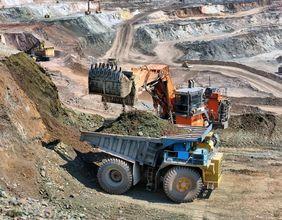


Krakatoa Resources Limited (ASX:KTA) has reported accelerated progress at its Zopkhito Antimony-Gold Project in Georgia, with the 2026 resource definition drilling campaign running two months ahead of the previous year’s schedule. The company has completed four surface diamond drill holes and thirteen underground holes, with surface drilling now conducted on a 24-hour two-shift roster and underground drilling set to begin 24-hour operations shortly. This expedited program aims to confirm historical data and gather geological information essential for establishing a maiden JORC-compliant mineral resource estimate, marking a pivotal step toward project development.
Key Points
- Krakatoa Resources Limited (ASX:KTA) progresses resource definition drilling at the Zopkhito Antimony-Gold Project in Georgia
- The 2026 drilling program is ahead by two months compared to the 2025 schedule, with four surface and thirteen underground diamond drill holes completed
- Surface drilling operates on a continuous two-shift 24-hour schedule; underground 24-hour operations to commence soon; initial assay samples are en route to laboratories in Türkiye
- Metallurgical bulk sampling to start in the upcoming weeks; independent UK mining and resource consultants have conducted detailed onsite geological reviews
- Zopkhito spans 1,779 hectares under a mining license valid until March 2042, featuring a foreign resource estimate of 225,000 tonnes of antimony and 815,119 ounces of gold
- Investors should watch for assay results, metallurgical testing outcomes, and progress toward the maiden JORC-compliant mineral resource estimate
Krakatoa’s Strategic Role in Georgia’s Antimony and Gold Sector
Krakatoa Resources Limited holds an exclusive option to acquire up to an 80% interest in the Zopkhito Antimony-Gold Project, positioning itself as a key contributor to Europe’s critical mineral supply chain. Located in Georgia, the project covers 1,779 hectares under a mining license valid through March 2042, providing long-term security for exploration and development. The project benefits from extensive historical exploration, including underground adits and over 15,000 geochemical samples, which inform current and future drilling strategies.
Antimony is increasingly recognized as a critical mineral vital to Europe’s transition toward secure and diversified supply chains amid geopolitical challenges affecting traditional sources. Krakatoa’s focus on Zopkhito represents a strategic opportunity to bolster European supply security while developing a significant mineral asset. The company’s approach emphasizes validating historical datasets and integrating modern exploration techniques to de-risk the project ahead of production planning. The combined antimony and gold mineralization enhances the project’s value by targeting dual commodity markets.
Drilling Progress and Two-Month Lead Over 2025 Program
Krakatoa’s latest update confirms that the 2026 resource definition and technical drilling program is advancing ahead of schedule. To date, four surface diamond drill holes and thirteen underground holes have been completed in the maiden 2026 campaign. Surface drilling now operates on a two-shift, 24-hour schedule, underscoring the company’s commitment to maintaining momentum throughout the field season. Underground drilling is expected to commence 24-hour operations shortly, further accelerating geological data collection. This operational intensity reflects management’s confidence in the project’s potential and the efficiency of the drilling and logistics infrastructure at Zopkhito.
The two-month acceleration relative to the 2025 timetable represents a significant operational achievement, indicating enhanced efficiency in drilling logistics, core handling, and site management. Initial drill core has been logged and sampled, with the first assay batch currently being transported to laboratories in Türkiye for analysis. This swift transition from drilling to assaying minimizes delays, enabling adaptive drilling strategies. Additional accommodation cabins are under construction at site to support the expanding 2026 field program, highlighting management’s expectation of sustained operations and confidence in the project’s medium-term outlook.
Independent Consultant Reviews and Geological Validation
Independent mining and resource consultants from the United Kingdom have completed comprehensive onsite inspections at Zopkhito, including detailed reviews of drill core, the historic core library, and underground adits. This specialist involvement serves as a critical validation phase, providing an independent assessment of data quality, geological interpretation, and the integration of historical datasets into a JORC-compliant resource model. Their examination of core samples from both 2025 and 2026 programs and underground workings will directly inform geological interpretation, resource modeling, and future drilling plans.
Engaging specialist consultants early in the resource definition phase aligns with best practices in mineral exploration and resource estimation. Their insights will underpin the technical foundation needed to convert the existing foreign resource estimate into a JORC-compliant mineral resource. The company noted that information gathered during the consultant visit will also support mine development studies, indicating that Krakatoa is preparing for the transition from exploration to feasibility phases. The parallel progression of drilling, geological modeling, consultant review, and metallurgical preparation demonstrates a coordinated strategy to advance the project efficiently without bottlenecks.
Metallurgical Bulk Sampling and Ore Processing Tests
Krakatoa announced that metallurgical bulk sampling will commence in the coming weeks, with samples collected from underground adits at Zopkhito. The sampling targets the main antimony vein and the gold-rich alteration halo within the footwall and hanging wall of selected veins and adits. This focused approach aims to produce representative samples reflecting the dominant mineralization styles. Samples will be sent to European facilities for ore sorting and metallurgical test work, ensuring processing and recovery methods are evaluated under realistic conditions using material sourced directly from the resource.
Metallurgical testing is crucial for project development, determining the technical and economic feasibility of processing antimony and gold-rich ores from Zopkhito. Initiating bulk sampling at this stage indicates management’s confidence in the geological data to justify investment in process mineralogy and recovery testing. Successful results could significantly enhance project economics and expedite progression toward pre-feasibility or feasibility studies. Conducting metallurgical programs alongside drilling and resource estimation ensures process insights inform mine design and development planning as the JORC resource estimate nears completion.
Foreign Resource Estimate and Pathway to JORC Compliance
Zopkhito currently holds a foreign resource estimate disclosed by the company, comprising 225,000 tonnes at 11.6% antimony (containing 26,000 tonnes of antimony metal) and 7.1 million tonnes at 3.7 grams per tonne gold (containing 815,119 ounces of gold). Krakatoa issued a cautionary statement noting this estimate was not prepared under the JORC Code 2012 and that a competent person has not yet classified it as a JORC mineral resource. Nonetheless, the supporting information from the December 2024 announcement remains applicable and unchanged.
The ongoing drilling and geological program aims to convert this foreign resource estimate into a JORC-compliant mineral resource. Drilling is designed to validate historical high-grade results within and between adits, expand coverage to define quartz-stibnite vein systems and associated gold zones, and gather sufficient geological data to support the maiden JORC resource estimate. Achieving this conversion is vital, as JORC-compliant resources are internationally recognized for geological confidence and data integrity. The company’s transparency regarding the foreign estimate’s limitations underscores its commitment to regulatory compliance while addressing data gaps through current work.
Focused Drilling on Five Veins Among Seventeen Known Systems
The current drilling program targets five veins selected from seventeen known vein systems at Zopkhito, reflecting a strategic exploration focus on high-priority mineralization styles and locations. This approach enables efficient allocation of drilling resources while collecting geological data across multiple veins. Emphasis on vein validation, geometry definition, and delineation of gold zones within alteration halos demonstrates a sophisticated understanding of the deposit’s structural and mineralogical traits. Targeting multiple veins builds a foundation for future resource growth and establishes a conceptual model applicable to the broader license area.
The identification of seventeen known veins offers significant exploration upside beyond the current resource definition program. Krakatoa is reviewing historical exploration datasets beyond the foreign resource estimate to identify future drill targets. This strategy suggests considerable potential for resource expansion as drilling progresses and geological understanding deepens. The quartz-stibnite vein systems, primary hosts of antimony mineralization, are well-suited for targeted exploration through strategic hole placement. Associated gold zones in footwall and hanging wall alteration halos add complexity and potential for economically valuable secondary mineralization.
Environmental and Permitting Efforts Supporting Project Advancement
Krakatoa’s update highlights ongoing environmental baseline studies and permitting activities running concurrently with drilling and geological programs. These efforts are essential foundations for advancing toward development and production. Baseline environmental data collected early informs mine planning, waste management, and operational design for future feasibility phases. Permitting in Georgia is pursued in parallel with technical exploration, streamlining development approval pathways once resource and engineering studies conclude.
Conducting environmental and permitting work alongside exploration reflects best practice project development and management’s commitment to reducing timelines from resource definition to development. This integrated approach mitigates regulatory risks by addressing environmental and permitting requirements early. Operating within Georgia’s regulatory and social licensing framework, Krakatoa actively manages baseline studies and engages relevant authorities. Advancing these programs alongside geological and metallurgical work indicates a well-coordinated project management structure and realistic development timeline expectations.
Infrastructure Expansion and 2026 Field Season Outlook
The company is constructing additional cabins at Zopkhito to support the expanding 2026 field program. This infrastructure investment demonstrates management’s confidence in medium-term operational needs and anticipated growth in personnel and activity levels. Expanded accommodation and logistical support are critical for sustaining 24-hour drilling and managing multiple technical workstreams. Building additional facilities also reflects commitment to workforce safety, morale, and retention during an intensive field season.
With drilling, geological modeling, metallurgical sampling, technical studies, environmental baseline work, and permitting advancing simultaneously, Krakatoa anticipates a steady flow of operational updates and technical milestones throughout 2026. The CEO stated, "the Company expects a steady pipeline of operational updates and technical milestones from Zopkhito throughout the remainder of 2026," providing investors with clear guidance on communication cadence and anticipated positive news. This outlook underscores 2026 as a critical year for de-risking Zopkhito and establishing the technical and regulatory foundations for pre-feasibility or feasibility studies in future years.
Investor Focus and Upcoming Milestones
Investors should monitor key upcoming milestones, including assay results from the initial batch of samples en route to Turkish laboratories, which will provide early evidence of antimony and gold grades, vein geometry validation, and mineralization consistency with historical data. Completion and results from metallurgical bulk sampling and subsequent ore sorting and test work will yield vital insights into processing feasibility and recovery rates, directly influencing project economics.
The most significant milestone will be the conversion of the foreign resource estimate into a maiden JORC-compliant mineral resource estimate, expected after the 2026 drilling program concludes and geological data and consultant interpretations are integrated. This JORC resource will grant the project internationally recognized geological credibility and establish the resource base for engineering and economic studies. Progress in environmental baseline studies and permitting should also be closely followed, as successful advancement reduces development approval risks. Additionally, investors should watch for updates on identifying and testing mineralization beyond the current foreign resource estimate, which could substantially expand Zopkhito’s long-term resource potential.
