
 AUS
AUS
 NZ
NZ
 UK
UK
 CA
CA
 USA
USA
 IND
IND




Highlights
- The overall sales of global light-duty electric vehicle sales reached a record high of 6.3 million units in 2021.
- The demand for nickel is expected to rise to 2.9 million tonnes in 2022.
- Cobalt prices rallied strongly in 2021, with prices gaining more than 62% in the last one year.
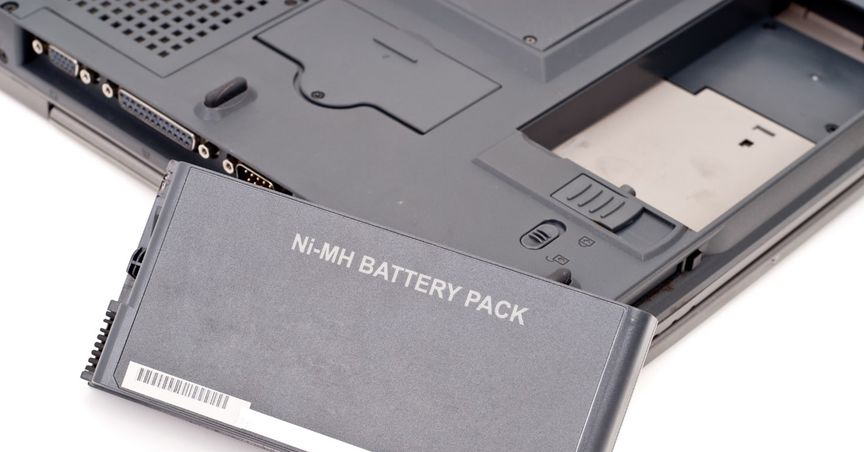
Earlier, only electronic gadgets and portable devices were controlling the dynamics of the global battery metals market, but with a rapid surge in the sales of electric vehicles (EV), the overall responsibility has been transferred to the EV battery manufacturers that utilise battery metals to power EVs.
As per S&P Global Platts Analytics, the overall sales of global light-duty electric vehicle sales reached a record high of 6.3 million units in 2021, up by a whopping 102% relative to the previous year. The numbers are further expected to rise to 26.8 million units by 2030.
Must Read: What are battery metals? Why is their demand growing?
In line with the projected figures, EV manufacturers are racing to secure the supplies of critical metals by finalising future contracts with miners. Various automobile companies, including EV giant Tesla, have inked nickel and lithium supply deals with numerous miners across the globe. The demand for battery metals is further expected to rise in the coming years.
Nickel
Nickel is currently hovering near US$32,590 per tonne, gaining more than ~103% in the last one year. The prices are expected to remain elevated with a structurally bullish global market, on account of robust demand, increase in electrification, supply disruptions, ongoing infrastructure projects and shipping congestion.
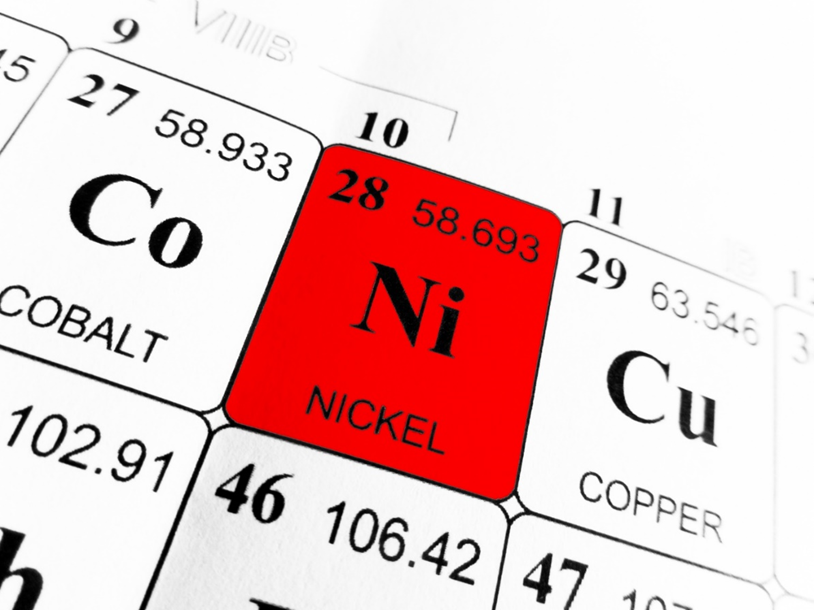
Source: © Lorenzot81 | Megapixl.com
The demand for nickel is expected to rise to 2.9 million tonnes in 2022, as per the December 2021 Resources and Energy Quarterly.
Related read: ASX battery metals shares with over 40% five-year returns
Lithium
The tightness in the lithium market is expected to be stronger in the current year. However, the level of destocking by converters, processors, and consumers will decide the price dynamics. Apparently, the overall demand is anticipated to be more than the estimated demand as the supply chains will likely restock after destocking.
Related read: Up 700% YTD; a fast-charging ASX-listed, battery-material stock
Cobalt
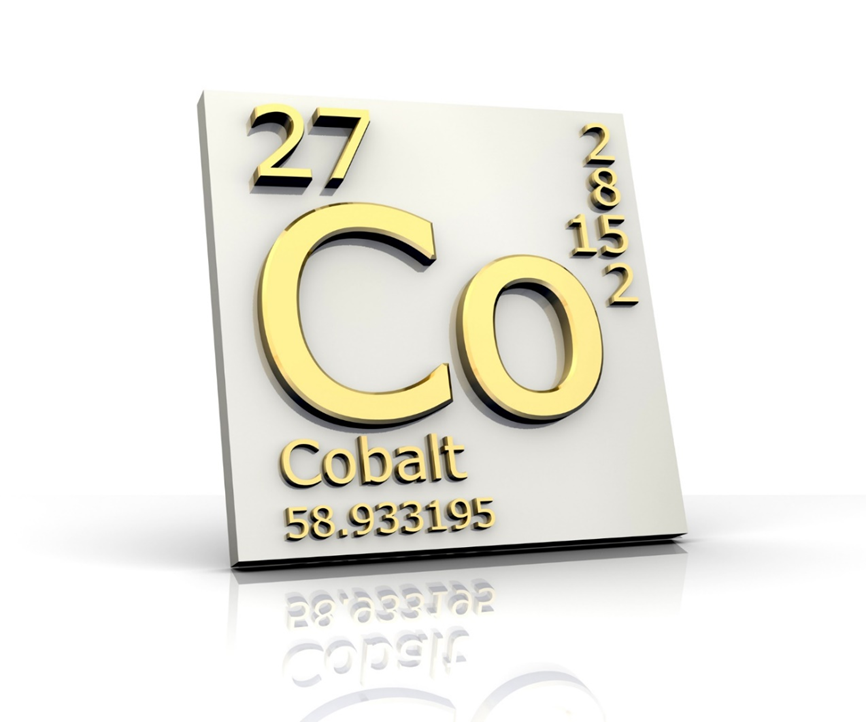
Cobalt prices rallied strongly in 2021, with prices gaining more than 62% in the last one year. As per S&P Global Platts analysis, demand for the cobalt will remain strong in the short and long terms. The demand is further expected to grow with anticipated EV subsidy cuts in 2023 and automakers trying to hit their sales for full year, boosting the battery metal's demand in the fourth quarter of 2022.
Source: © Fambros | Megapixl.com
According to Fastmarkets, cobalt prices are currently hovering at their peak, and production is expected to increase in 2022, driven by weaker than expected consumer electrical goods and surging LFP battery demand.
Good Read: Three ASX lithium stocks in limelight as battery metal’s prices heat up
Various ASX-listed battery metal stocks have registered staggering gains in their share prices amid skyrocketing demand for battery metals.
Shares of Australia’s lithium miner, Mineral Resources Limited (ASX:MIN), have surged by 42.46% in the last one year. During the same period, other significant lithium players, including Pilbara (ASX:PLS) and Core Lithium (ASX:CXO), have also gained by a whopping 209.18% and 525%, respectively, till 31 March 2022.
Nickel miners IGO Limited (ASX:IGO) and Nickel Mines (ASX:NIC) logged 59.59% and 33.86%, respectively, in the last six months till 31 March 2022.
Furthermore, ASX-listed cobalt players Jervois Global (ASX:JRV) and Sunrise Energy Metals (ASX:SRL) recorded YTD gains of 38.14% and 38.38%, respectively, till 31 March 2022.
Bottom Line
Amid a burgeoning demand for electric vehicles across the globe, the demand for battery metals has witnessed significant growth in the last year. The demand for lithium and nickel is further expected to rise in the coming year.