
 AUS
AUS
 NZ
NZ
 UK
UK
 CA
CA
 USA
USA
 IND
IND




Highlights
- Metals and non-metals that are considered dynamic for the well-being of the world's major and emerging economies are considered critical.
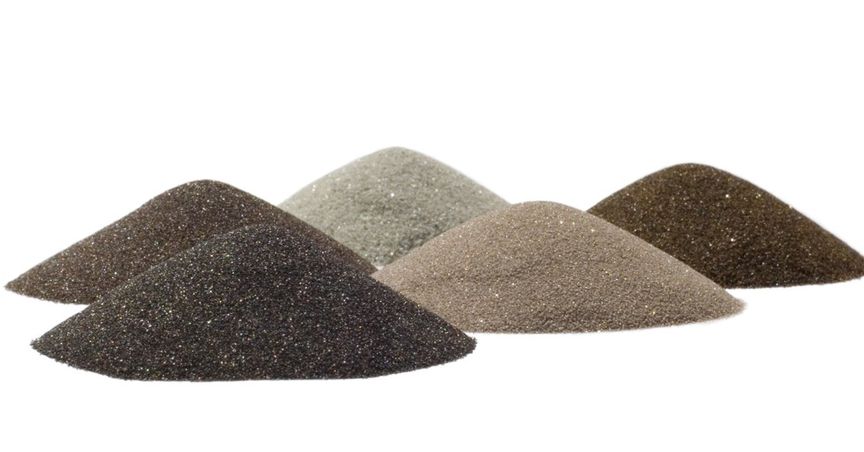
- Critical metals include rare earths, platinum-group metals, cobalt, lithium, vanadium, nickel, and many more.
- EV makers are trying hard to integrate onshore supply chains for EV batteries to reduce the risk of supply chain disruptions and reduce costs.
It might be fashionable to talk about critical metals as the world transitions to a cleaner future. One might also have noticed that some of these metals are considered critical while others are not. To clear this confusion, first, we have to understand the logic behind classifying a metal into the critical category.
Ideally, metals that are considered dynamic for the well-being of the world's major and emerging economies are considered critical. Supplies of these metals can be at risk due to trade policies, geopolitical issues, geological scarcity, and others.
Good Read: Is Australia ready to conquer the global critical material sector?
“Criticality” of critical metals
Critical metals include rare earths, platinum-group metals, cobalt, lithium, vanadium, nickel, and many more. These metals are predominantly used in high-tech sectors for personal and commercial use like electronic gadgets, solar panels, wind turbines, smartphones, electric vehicles, etc.
Source: Copyright © 2021 Kalkine Media
Interestingly, the supply chain of a particular metal may impact the critical status of the mineral. Reversibly, a metal that is not being classified as critical currently, may be considered critical later on.
Related Article: Critical minerals can strengthen global climate ambitions, says International Energy Agency
The "criticality" of metal may change with time depending on the need of society and the metal's supply. Currently, China is the largest player in critical metals and controls the supply of critical metals that are sourced from politically unstable jurisdictions.
EV manufacturers secure critical metal supplies
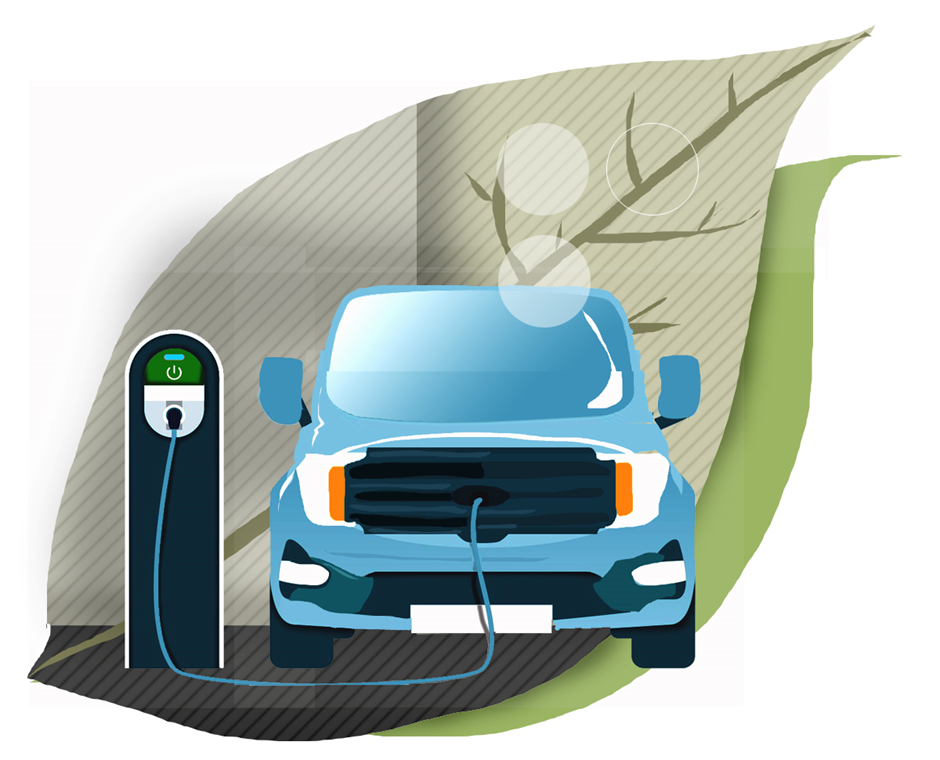
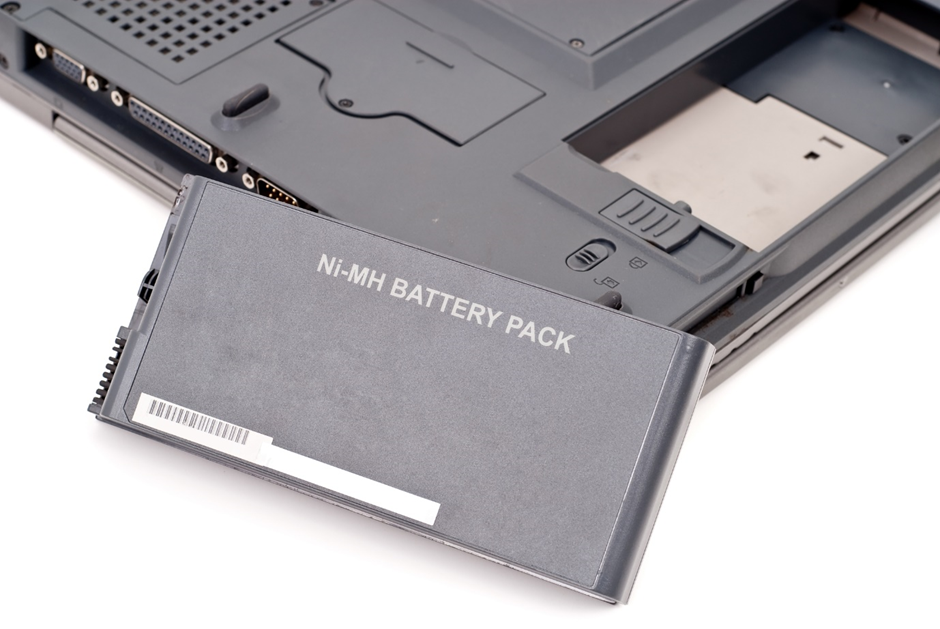
Lithium-ion batteries are the heart of electric vehicles (EV) and robust growth in the sector has forced electric vehicle makers to secure raw materials.
Source: © Jcjgphotography | Megapixl.com
Recently, Stellantis, the global company formed by the merger of French automaker Groupe PSA and Fiat Chrysler Automobiles, has inked a supply agreement with Vulcan Energy (ASX:VUL) to secure the supply of key precursors for the battery supply chain.
Additionally, on Wednesday, General Motors shared its plan to form a new joint venture with South Korea-based Posco Chemicals to open a new North American facility to process critical battery materials in 2024.
Also Read: How is Tesla shaping battery material investment in Australia
GM along with other automakers is trying hard to integrate onshore supply chains for EV batteries to reduce the risk of supply chain disruptions and reduce costs.
Bottom Line
Electric vehicle makers across the globe are competing to secure supplies of the critical metals used in the manufacturing of EV batteries amid an ongoing global green push.