
 AUS
AUS
 NZ
NZ
 UK
UK
 CA
CA
 USA
USA
 IND
IND






Highlights
• DroneShield operates within the defence technology sector focused on counter-drone systems and electronic security infrastructure.
• Counter-drone technologies address emerging security challenges associated with unmanned aerial systems.
• Developments surrounding the company occur within broader market benchmarks including the ASX 300 and the All Ordinaries.
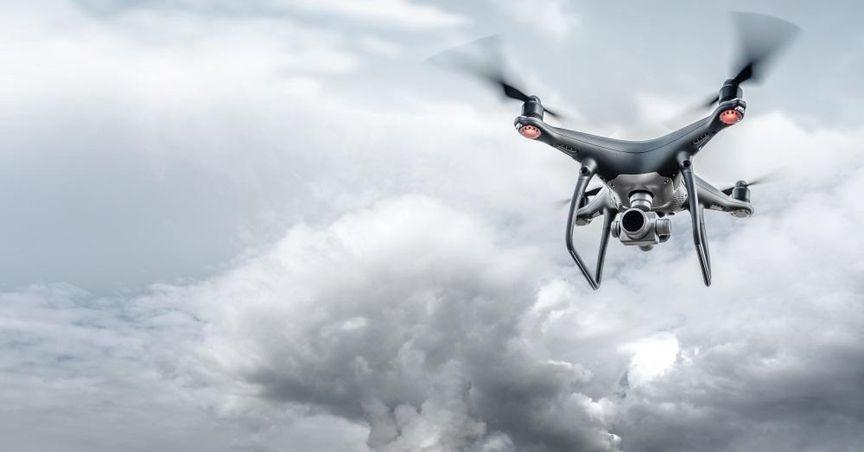
DroneShield operates within the defence technology sector developing counter-drone systems used to detect and respond to unmanned aerial vehicles.
The defence technology and security equipment sector forms an emerging component of Australia’s industrial and technology landscape. Companies operating in this field develop specialised hardware and software systems designed to support defence organisations, government agencies, and infrastructure security providers. These firms participate in market benchmarks including the ASX 300 and the All Ordinaries, where companies from industries such as materials, healthcare, and telecommunications contribute to the overall market structure.
Within this sector, DroneShield Limited (ASX:DRO) develops electronic detection and countermeasure systems designed to identify and respond to unmanned aerial vehicles. Counter-drone technologies have become increasingly relevant in security operations because drones are widely used across civilian, commercial, and defence environments. These aerial systems may serve functions including aerial photography, logistics monitoring, agricultural observation, and infrastructure inspection.
The increasing presence of unmanned aerial vehicles across multiple industries has also led to the development of technologies designed to monitor and control drone activity in sensitive environments. Security organisations, defence agencies, and infrastructure operators require systems capable of identifying drone signals and determining their location within controlled airspace.
Defence technology companies design electronic detection equipment capable of identifying radio-frequency signals transmitted between drones and their operators. These signals allow monitoring systems to determine the presence of drone activity within a defined area. Once detected, countermeasure systems may respond by interrupting communication signals between the drone and its controller.
The development of such technologies illustrates the evolving relationship between security infrastructure and modern digital systems. Defence technology companies contribute to creating tools used to monitor aerial activity and protect critical infrastructure from unauthorised drone operations.
Counter-Drone Systems and Detection Technologies
Counter-drone technology represents a specialised category within defence equipment development. These systems combine multiple technologies designed to detect, track, and respond to unmanned aerial vehicles operating within monitored environments.
Detection technologies used in counter-drone systems often rely on radio-frequency monitoring equipment. Drones typically communicate with their controllers through wireless radio signals transmitted between the aircraft and ground control devices. Monitoring equipment can detect these signals and identify the presence of drones operating nearby.
Radar technology also plays a role in detecting airborne objects. Radar systems emit radio waves that bounce off objects within the surrounding airspace. By analysing these reflected signals, radar equipment can identify the position and movement of aerial vehicles.
Electro-optical sensors represent another component of drone detection systems. These sensors capture visual and infrared images that allow operators to observe aerial objects operating within monitored zones. Combining radar, radio-frequency detection, and optical sensors allows security systems to build a comprehensive picture of aerial activity.
Countermeasure technologies designed to respond to drone activity often involve electronic interference systems. These systems may disrupt communication signals between drones and their operators, preventing remote control commands from reaching the aircraft.
Other technologies may interfere with satellite navigation signals used by drones for positioning. By interrupting these signals, security systems can prevent drones from maintaining stable navigation.
The development of integrated detection and response systems reflects the technological complexity involved in managing modern aerial environments where both authorised and unauthorised drones may operate simultaneously.
Security Infrastructure and Critical Asset Protection
Security infrastructure used to protect critical facilities often includes advanced surveillance systems designed to detect threats across land, sea, and air domains. Counter-drone technology forms one component within this broader security framework.
Critical infrastructure sites such as airports, government facilities, energy plants, and communication networks require monitoring systems capable of identifying unauthorised aerial activity. Drones operating near such facilities may create safety hazards or interfere with operational processes.
Security technology companies design systems that integrate drone detection with broader surveillance platforms. These platforms may combine ground-based sensors, radar installations, and camera systems to monitor activity around protected locations.
Airports represent one example of environments where counter-drone technology may be used. Aircraft operations rely on controlled airspace to ensure safe take-offs and landings. Unauthorised drone flights near airport runways can disrupt flight operations and create safety concerns for aircraft.
Energy infrastructure such as power plants and transmission networks also require protection against aerial intrusion. Monitoring systems deployed around these facilities allow operators to track aerial activity and respond to potential security concerns.
The integration of counter-drone technology within broader security systems demonstrates how defence technology companies contribute to protecting infrastructure used by modern societies.
Companies operating within this sector develop equipment used by security professionals responsible for safeguarding critical assets and public safety environments.
Defence Technology Development and International Security Collaboration
Defence technology companies often collaborate with government agencies, research institutions, and defence organisations during the development of specialised security systems. These collaborations allow engineers and researchers to design equipment suited to operational requirements across different environments.
Counter-drone systems may be deployed across various regions where security agencies require monitoring capabilities for airspace protection. International collaboration between defence organisations supports the exchange of technical expertise and operational experience related to drone detection technologies.
Research programs conducted within the defence technology sector examine how emerging technologies such as artificial intelligence and machine learning can enhance detection systems. Automated software platforms may assist in identifying drone signals, classifying aerial objects, and coordinating response actions within monitoring networks.
The development of defence technologies also involves extensive testing and evaluation processes to ensure equipment performs reliably under operational conditions. Field testing environments simulate real-world scenarios where detection systems must identify drones operating within complex airspace environments.
These development activities illustrate the ongoing technological evolution occurring within defence technology sectors around the world. Engineers and researchers continue to design systems capable of adapting to changing technological environments associated with unmanned aerial vehicles.
Industrial Technology Companies Within Australian Equity Markets
Industrial technology companies represent a growing segment of Australia’s corporate environment as advanced engineering and digital systems become increasingly integrated into defence and infrastructure sectors. Companies developing security equipment operate alongside firms from industries including mining, telecommunications, healthcare, and financial services within benchmark indices tracking corporate activity.
These organisations contribute to technological innovation by designing systems that integrate electronic engineering, communication networks, and digital signal processing. Their products support operational environments where monitoring and control systems are required to maintain security and operational efficiency.
Industrial technology firms also participate in global supply chains associated with defence equipment manufacturing and security infrastructure development. Engineering teams collaborate with suppliers producing electronic components, communication modules, and sensor technologies used in surveillance systems.
The presence of defence technology companies within the Australian equity market reflects the increasing intersection between engineering innovation and security operations. Industries responsible for developing advanced detection equipment operate within the broader corporate landscape represented by benchmark indices tracking Australian listed companies.
Companies in this sector therefore contribute to technological capabilities associated with infrastructure protection, digital communication systems, and aerial monitoring technologies.
Their activities occur within the wider market environment represented by benchmarks such as the asx all ords, where organisations across multiple industries participate in the financial market ecosystem.