
 AUS
AUS
 NZ
NZ
 UK
UK
 CA
CA
 USA
USA
 IND
IND






Highlights
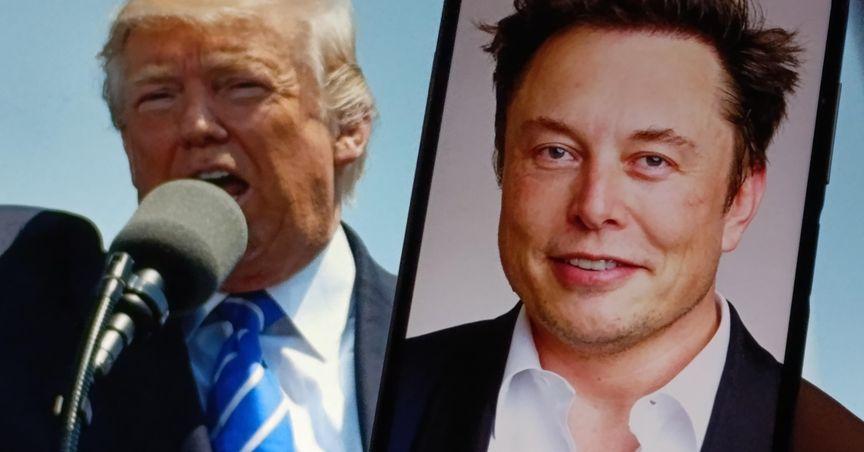
Elon Musk steps down from White House government efficiency role, ending tenure with DOGE
Musk voices disappointment over Trump’s recent fiscal legislation, citing deficit concerns
Tesla Inc (NASDAQ:TSLA) prepares for renewed leadership focus as Musk re-engages with company priorities
Elon Musk’s departure from his short-term role within the White House marks a turning point for the tech sector, specifically for Tesla Inc (NASDAQ:TSLA), which operates within the NASDAQ index. As Musk ends his engagement with the Department of Government Efficiency (DOGE), attention returns to the operational direction of his flagship companies amid ongoing scrutiny and market dynamics.
The South African-born CEO was serving as a special government employee under the administration’s initiative aimed at reducing bureaucratic spending. His exit came as scheduled, coinciding with the statutory limits for such federal roles, though recent public criticism of a major fiscal bill accelerated media attention on his exit.
DOGE Restructuring Continues Without Musk
The Department of Government Efficiency, informally known as DOGE, was formed to streamline administrative operations and reduce federal workforce redundancies. Under Musk’s guidance, the initiative oversaw broad reductions across various departments, although it also faced legal challenges concerning its methods and outcomes.
With Musk stepping away, the department is expected to continue under the guidance of appointed officials. Operational focus will reportedly remain on enhancing resource utilization and curbing administrative waste. Despite Musk’s early enthusiasm, he noted that recent legislation ran counter to DOGE's mission, expressing dissatisfaction with provisions that expanded government spending.
Public Reaction and Internal Friction
Musk’s exit follows a publicised interview in which he critiqued the legislative measures backed by the administration. Referring to the bill as both large in scope and costly, he voiced concern that such policies diminished the impact of ongoing efficiency reforms.
Internal reports suggest that disagreements between Musk and certain senior officials surfaced during policy execution. These tensions, combined with rising criticism from external groups, contributed to a challenging environment for DOGE operations.
As DOGE became a focal point for broader dissatisfaction, Musk addressed the mounting backlash, asserting that the program was often blamed for unrelated issues. His comments drew attention to incidents such as mismanaged layoffs, which included mistakenly terminated roles in key federal programs.
Tesla and Market Sentiment in the Aftermath
Tesla Inc (NASDAQ:TSLA) has seen notable changes during Musk’s time in public service. The electric vehicle manufacturer has reported changes in delivery figures and experienced notable shifts in its stock valuation, factors that analysts have monitored closely within the context of his dual roles.
Public demonstrations, calls for brand boycotts, and acts of vandalism have accompanied political controversy surrounding Tesla. Federal authorities have responded to such events by reinforcing protections around critical infrastructure and company assets.
Despite this climate, Musk has reiterated his intention to lead Tesla operations directly over the coming years. During a recent forum, he emphasized his commitment to the company and stated that involvement in future political activities would be limited.
Political Engagement and Future Commitments
Musk’s involvement in political funding and federal advisory roles has also come under review. While past contributions were significant, he has since stated an intent to reduce direct financial engagement with campaign efforts going forward.
His return to corporate leadership is set against a backdrop of shifting public perception and evolving business priorities. As Tesla regains executive focus and DOGE continues under new leadership, both entities face changing expectations from stakeholders and the broader public.