
 AUS
AUS
 NZ
NZ
 UK
UK
 CA
CA
 USA
USA
 IND
IND







Summary
- Kiwi dollar struggles to regain lost ground on GDP numbers
- Aussie and Kiwi had lost their gains on Wednesday after change in the Fed’s’s dovish stand
- Overall, the good economic news in both countries did not have much impact’
The Kiwi dollar did not show much change in its position as it struggled to regain some lost ground on Thursday. Despite the positive news from Stats NZ on the economic recovery and the GDP data, the Kiwi dollar did not show much strength. The hawkish turn of the FED’s stance had dealt a blow to the Kiwi dollar but it could regain only some of it on Thursday after the Stats NZ announced the GDP numbers. Aussie and Kiwi dollars both edged higher from their nine weeks lows but on Wednesday lost some of their gains on the back of expectations from FED of possible rate hike by2023 and also tapering off of bond buying.
Also Read: New Zealand just escaped recession, GDP grows by 1.6% in March quarter
Also Read: Australian, Kiwi Dollar Firm Ahead of Series of Global Events
The Australian dollar was up to NZ$0.7626 from a nine-week low of NZ$0.7598 but indicated a bearish trend on Wednesday.
Kiwi dollar was a little better with a bounce to NZ$0.7088 from nine-week lows of NZ$0.7043 but again went off from Wednesday’s high of NZ$0.7155. it was close to its 2021 low of NZ$0.6944.

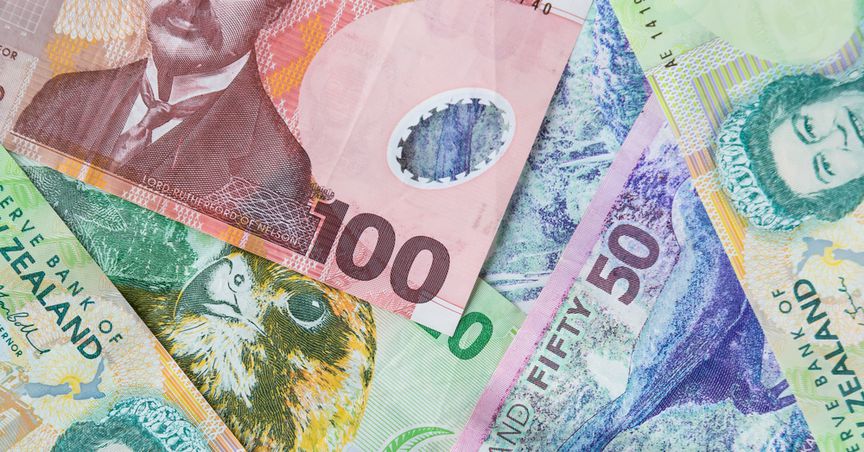
Image Source: Copyright © 2021 Kalkine Media
Both the Aussie and Kiwi dollars went down after the Fed announced that it would consider possible interest rate hike after 2023 and also consider tapering bond buying.
Of course, this news made the US dollar move up against all currencies and had an impact on the treasury yields.
Also Read: AUD & NZ Kiwi Weak On Biden’s Plan To Tax The Weathiest
Economic data from both countries lifted the spirits but marginally. The two currencies just escaped from slipping to 2021 lows.
While New Zealand announced strong numbers at 1.6% rise in GDP for March quarter much against the RBNZ’s forecast of dip in the GDP to 0.6%. The growth in the GDP numbers was driven mainly by the rising household consumption and construction.
Australia also reported bullish data on the employment data. It reflected a surge of 115,200 in May almost four times the market forecast. The joblessness fell to 5.1% when the analysts had expected it to be not less than 5.5%.
This economic data might make the RBA and RBNZ take a second look at their dovish stand on the monetary policy and start tightening the monetary policy. However, that seems unlikely as RBA governor as well as RBNZ governor are both of the view, not as yet. Infact, the RBA governor, Philip Lowe said that today itself that a rate hike would not happen before 2024.
Strong economic reports are likely to bring the Central Banks bring about the rate hikes much earlier than announced. RBA said that it would not increase rates till 2024 and RBNZ has put the year to late 2022.
