
 AUS
AUS
 NZ
NZ
 UK
UK
 CA
CA
 USA
USA
 IND
IND






Highlights
- Global energy major Shell records notable market activity amid evolving energy landscape
- Operations span oil, gas, renewable energy, and petrochemical production across multiple regions
- Industry transition toward lower-emission energy sources continues shaping corporate direction
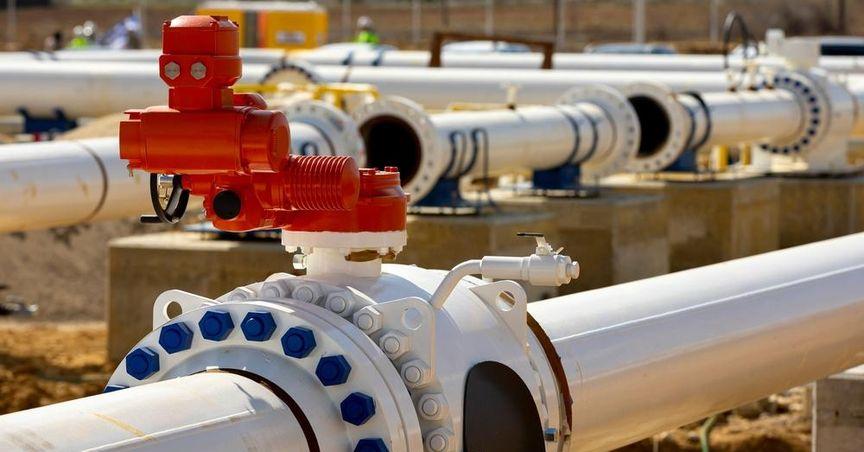
Shell operations across exploration, refining, and emerging energy systems reflect the scale and reach of this global company within the FTSE 350 energy sector.
The global energy sector includes integrated companies involved in oil, natural gas, and petrochemical production alongside emerging lower-emission technologies. Within this landscape, FTSE 350 constituents represent a broad cross-section of major firms operating across diverse segments of the United Kingdom’s public markets. Among those companies, Shell (LSE:SHEL) occupies a prominent position as one of the world’s largest energy groups, operating across exploration, production, refining, trading, and energy supply networks.
Activities extend across upstream and downstream segments, covering resource development, fuel distribution, chemicals manufacturing, and energy trading operations. Operations also include projects focused on hydrogen, biofuels, electric mobility infrastructure, and carbon management technologies. Through this combination of traditional and emerging activities, Shell maintains an extensive international presence spanning multiple continents and energy markets.
Global Energy Operations
Energy production remains a central component of Shell’s operations. Exploration and extraction of hydrocarbons occur across offshore and onshore regions including Europe, the Americas, Africa, and Asia. These activities involve complex supply chains that connect production sites to refineries, shipping networks, and end-use markets.
Refining and petrochemical manufacturing form another major part of the operational structure. Facilities process crude oil and natural gas into fuels, lubricants, and chemical feedstocks used in transportation, manufacturing, and industrial applications. Petrochemical products derived from these processes contribute to plastics, synthetic materials, and other widely used industrial inputs.
Trading and distribution infrastructure connects production output with international demand. Shipping fleets, pipelines, storage terminals, and retail networks help deliver fuels and energy products to industrial customers, aviation sectors, shipping industries, and retail fuel stations worldwide.
Energy Transition Initiatives
The energy industry has experienced structural changes linked to environmental priorities and technological developments. Many large companies in the sector have introduced initiatives intended to address emissions and expand participation in alternative energy technologies.
Shell has undertaken projects involving renewable power generation, hydrogen fuel systems, and electric vehicle charging networks. Biofuel development also forms part of these activities, with research programs focused on sustainable aviation fuel and renewable diesel alternatives.
Carbon management initiatives have also appeared in corporate strategies within the sector. Carbon capture and storage technology, along with carbon offset programs and nature-based initiatives, have been incorporated into broader efforts aimed at reducing emissions associated with industrial energy systems.
Within the FTSE 350 environment, such developments illustrate broader shifts occurring across major energy companies as operational portfolios gradually expand beyond traditional hydrocarbon extraction.
Market Presence and Brand Reach
Energy supply networks supported by Shell include a global retail station network serving motorists and transportation fleets. These locations provide fuels, lubricants, and convenience retail services across numerous countries.
Industrial partnerships represent another component of corporate activity. Energy supply agreements exist with aviation operators, maritime shipping groups, heavy manufacturing companies, and logistics organizations. Petrochemical materials produced by Shell contribute to manufacturing sectors including automotive, packaging, electronics, and construction.
Brand visibility also extends through marketing partnerships and technology research programs. Advanced lubricants, energy trading systems, and digital monitoring tools are developed through collaborations involving research institutions and industrial partners.
Within financial markets, Shell (LSE:SHEL) remains widely recognized due to its scale, historical presence, and role in global energy supply chains. The company’s operations have evolved through decades of industry development, including periods of expansion into new geographic regions and technological sectors.
Corporate Structure and Strategy
Organizational structure divides activities into multiple business segments covering upstream production, integrated gas operations, chemicals manufacturing, and energy solutions. Integrated gas operations include liquefied natural gas production and transportation, connecting natural gas resources with international markets through shipping and regasification facilities.
Chemicals operations produce feedstocks used in numerous industrial processes, while downstream segments manage refining and distribution systems that deliver fuels and lubricants to commercial customers and retail networks.
Energy solutions divisions represent a more recent addition to corporate activities, reflecting the growing role of electricity supply, charging infrastructure, and renewable energy partnerships. These segments support initiatives linked to electric mobility and alternative energy systems.
Across the United Kingdom’s equity landscape, Shell (LSE:SHEL) continues to remain a major presence within the FTSE 350, reflecting the scale of operations and long-standing involvement in global energy production and supply chains.
Technological Development and Research
Research centers associated with Shell focus on technological development within energy production, materials science, and digital monitoring systems. Advanced data platforms assist with reservoir mapping, operational efficiency, and predictive maintenance across energy infrastructure.
Technology research also explores hydrogen systems, advanced biofuels, and energy storage solutions. Collaboration with universities and engineering organizations contributes to experimentation involving low-carbon energy technologies.
Digitalization has become increasingly important within the sector. Remote monitoring tools, artificial intelligence systems, and advanced analytics support operations in offshore platforms, refineries, and transportation networks.
Such developments highlight the evolving technical landscape shaping large energy companies operating within major market benchmarks such as the FTSE 350.
