
 AUS
AUS
 NZ
NZ
 UK
UK
 CA
CA
 USA
USA
 IND
IND







Highlights
ASX energy stocks are being shaped by renewable generation, battery storage and changing wholesale electricity conditions.
APA Group, Meridian Energy, Infratil, Contact Energy and AGL Energy reflect different areas of the energy value chain.
Retail energy margins, infrastructure investment and energy transition themes remain central to sector discussions.
A fresh look at ASX energy stocks, covering renewable energy, battery storage, retail energy margins and wholesale market conditions across key energy names.
The Australian energy sector covers electricity generation, gas infrastructure, renewable energy assets, battery storage projects, retail energy businesses and essential network operations. Many ASX energy stocks are closely followed across ASX 200, and All Ordinaries because energy remains one of the most important parts of the domestic economy and a key contributor to industrial and household activity.
The ASX energy stocks discussion frequently includes APA Group (ASX:APA), Meridian Energy (ASX:MEZ), Infratil (ASX:IFT), Contact Energy (ASX:CEN) and AGL Energy (ASX:AGL). These businesses represent different parts of the energy landscape, ranging from gas transmission and electricity generation to renewable energy assets and retail electricity operations.
Energy transition remains a defining theme for the sector. Electricity markets continue evolving through a combination of renewable generation, transmission investment, battery deployment and gas infrastructure. This creates a more complex operating environment where different energy companies can experience very different commercial conditions despite being grouped within the same sector.
Winter demand also places additional attention on retail energy margins and wholesale market activity. Seasonal consumption patterns often influence electricity demand, network utilisation and customer billing trends. These factors can create varying outcomes across energy generators, retailers and infrastructure operators.
The sector is no longer viewed solely through traditional electricity generation. Renewable energy assets, battery storage projects, transmission networks and gas-firming capacity have become important discussion points. This broader framework provides readers with a more complete understanding of the energy market.
For energy-sector readers, the focus has shifted toward operational evidence. Energy production, network utilisation, infrastructure investment, customer demand and wholesale market conditions often provide a clearer picture than broad thematic narratives. This shift has made company-specific developments increasingly important.
Renewable Energy And Battery Storage Continue Reshaping The Sector
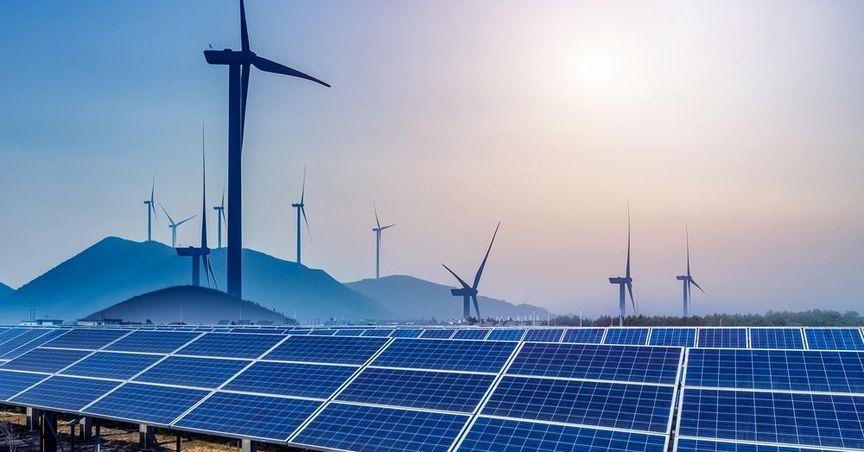
Renewable energy remains one of the most discussed topics within the Australian energy market. Solar generation, wind projects and renewable infrastructure continue to occupy an increasingly important role in electricity supply. This has altered the operating environment for both traditional and emerging energy businesses.
Meridian Energy and Contact Energy are frequently associated with renewable generation discussions. Their exposure to renewable assets provides insight into how generation portfolios are evolving alongside broader electricity market developments. Renewable infrastructure now forms a significant part of the conversation surrounding energy-sector activity.
Battery storage has become another major topic. Storage projects support electricity systems by helping manage supply and demand conditions. As renewable generation becomes a larger part of the electricity mix, storage assets continue attracting attention across the sector.
Infratil is often referenced in discussions involving infrastructure investment and energy-related assets. Infrastructure ownership can provide exposure to long-duration projects that support electricity generation, storage and network operations. These assets often form part of broader energy transition narratives.
Gas infrastructure remains relevant even as renewable generation expands. APA Group occupies an important position through its involvement in gas transportation and energy infrastructure. Gas-firming capacity continues to play a role in supporting electricity reliability and balancing generation requirements.
Energy transition discussions increasingly focus on how renewable assets, storage systems and network infrastructure work together. Rather than replacing one energy source with another, the conversation now centres on integration, reliability and operational efficiency across the electricity system.
The broader Australian market also follows these developments through benchmarks such as asx all ords, where energy companies sit alongside resource producers, financial institutions, healthcare businesses and industrial operators.
Wholesale Conditions And Retail Energy Margins
Wholesale electricity markets remain a key area of focus for energy-sector observers. Electricity generators, retailers and infrastructure operators are all influenced by changing wholesale conditions, although the impact varies depending on each company's business model.
Retail energy margins often attract attention during periods of changing wholesale activity. Retail businesses must balance customer pricing arrangements with the cost of purchasing electricity and managing supply requirements. This dynamic can create varying outcomes across the sector.
AGL Energy is frequently discussed in relation to retail electricity operations and customer markets. Retail energy businesses operate differently from generation-focused companies because they maintain direct relationships with households and commercial customers.
Wholesale conditions can also be influenced by weather patterns, generation availability, transmission constraints and energy demand. These factors contribute to changing market dynamics throughout the year and can affect various parts of the energy supply chain.
Renewable generation adds another layer to wholesale market activity. Solar and wind output can vary depending on environmental conditions, while storage projects increasingly contribute to balancing electricity supply. This interaction continues shaping market behaviour.
Infrastructure operators such as APA Group often have different commercial drivers compared with electricity retailers. Pipeline utilisation, network demand and contracted services can influence performance within infrastructure-focused energy businesses.
The relationship between wholesale conditions and retail margins remains a major discussion point because it highlights how energy-sector companies operate within interconnected markets. Generators, retailers and infrastructure providers each experience different outcomes from the same market environment.
Energy-sector coverage occasionally intersects with discussions surrounding ASX dividend stocks, particularly when mature infrastructure and utility businesses are involved. These discussions remain separate from broader operational themes but are often referenced by income-focused readers.
Infrastructure Investment And Energy Market Development
Infrastructure remains one of the most important foundations of the energy sector. Electricity networks, gas pipelines, battery facilities and generation assets all require substantial investment and long-term planning. These projects help support changing energy demand across Australia.
APA Group continues to represent a major infrastructure component within the energy discussion. Network assets, transmission systems and gas transportation facilities remain important elements of the broader energy framework.
Infratil contributes another infrastructure-focused perspective through investments linked to essential services and long-duration assets. Infrastructure ownership often provides exposure to assets that support ongoing energy demand and market development.
Energy infrastructure discussions increasingly include transmission upgrades and storage deployment. As renewable generation expands, supporting infrastructure becomes more important in ensuring electricity can move efficiently between generation centres and customers.
Battery facilities have become an important area of investment because they support system flexibility and operational reliability. Storage assets help address fluctuations in electricity generation and demand, making them an increasingly visible part of sector discussions.
Contact Energy and Meridian Energy are often referenced when discussing generation portfolios and electricity supply. Their participation in generation markets provides a useful perspective on how infrastructure investment supports evolving electricity systems.
Infrastructure planning is also linked to broader economic activity. Population growth, industrial demand, electrification initiatives and business activity can all influence future infrastructure requirements. These trends continue shaping the energy-sector landscape.
The ASX 200 energy discussion therefore extends beyond generation alone. Infrastructure, transmission, storage and retail operations all contribute to understanding how the sector is evolving within the Australian market.
Company Signals Driving Energy-Sector Attention
Company updates remain an important source of information for energy-sector readers because they provide detail on operational activity, infrastructure projects, generation portfolios and customer-market developments. These updates help explain how companies are positioned within the evolving energy landscape.
AGL Energy remains closely watched due to its exposure to both generation and retail energy operations. Its position within the electricity market provides insight into customer demand, retail activity and broader market conditions.
APA Group is often discussed through the lens of energy infrastructure. Pipeline utilisation, network operations and asset management continue shaping discussions around the company's role within the sector.
Meridian Energy and Contact Energy contribute perspectives on electricity generation and renewable energy participation. Their activities help illustrate how renewable generation fits into modern electricity markets.
Infratil adds an infrastructure-investment dimension that connects energy-related assets with broader essential-service themes. Infrastructure ownership remains an important component of many energy-sector discussions.
Energy-sector readers increasingly focus on operational execution, infrastructure development and market participation rather than broad thematic labels. This approach helps differentiate between companies operating in different parts of the energy value chain.
The energy sector also remains connected to broader economic activity. Household consumption, industrial production, electrification trends and infrastructure development all influence how energy demand evolves over time.
Energy remains one of Australia's most important sectors because it connects directly with households, businesses, industry and infrastructure. APA Group, Meridian Energy, Infratil, Contact Energy and AGL Energy each provide different perspectives on how the sector continues adapting to changing market conditions and operational requirements.
