
 AUS
AUS
 NZ
NZ
 UK
UK
 CA
CA
 USA
USA
 IND
IND






Highlights
Australia’s clean energy transition is reshaping the outlook for major energy companies.
Traditional utilities are balancing coal retirements with investments in renewables and storage.
Emerging technologies such as hydrogen are opening new pathways across the energy sector.
Australia's energy landscape is undergoing one of the most significant transformations in its modern history. As the nation accelerates its move towards cleaner power generation, energy companies listed on the Australian share market are being forced to rethink their long-term strategies. From established electricity providers to major oil and gas producers, businesses are adapting to a future increasingly driven by renewable energy, battery storage and emerging low-emission technologies. Companies such as Origin Energy (ASX:ORG) are among those navigating this shift, reflecting a broader trend unfolding across the ASX 200.
Australia's Clean Energy Vision Reshapes the Sector
Australia's commitment to expanding renewable energy generation is changing the structure of the domestic power market. Ageing coal-fired assets that once formed the backbone of electricity supply are gradually making way for solar farms, wind projects, battery storage facilities and other cleaner energy solutions.
The transition extends well beyond environmental objectives. It is driving major capital investment, influencing infrastructure development and creating new competitive dynamics within the energy industry. For companies operating within the ASX Energy Stocks category, the shift presents both opportunities and challenges as they adapt their operations to evolving market conditions.
The move towards renewable generation also reflects changing consumer expectations, regulatory priorities and global trends favouring lower-emission energy sources. As a result, the transformation is becoming a defining theme across Australia's energy sector.
Utilities Face a Delicate Balancing Act
Managing the Coal Exit
Traditional utility providers are at the centre of Australia's energy transition. Many have historically relied on coal-fired generation assets that have delivered electricity for decades. However, changing energy policies and evolving market economics are encouraging a gradual move away from fossil fuel dependence.
AGL Energy (ASX:AGL), one of Australia's largest integrated energy companies, continues to navigate this complex transition. The company is working to manage legacy generation assets while expanding its exposure to renewable energy and storage solutions.
For utilities, the challenge is not simply replacing one energy source with another. They must ensure reliable electricity supply while investing heavily in new infrastructure capable of supporting a cleaner grid.
Building the Next Generation of Energy Assets
Renewable projects require significant planning, funding and operational expertise. Solar and wind developments must be integrated alongside battery systems that help address intermittency challenges associated with renewable generation.
Companies that successfully execute these projects can strengthen their position within Australia's evolving electricity market. Those that struggle may face operational and financial pressures as the energy mix continues to change.
The quality of renewable investments, project delivery capabilities and long-term planning are increasingly important considerations when assessing energy businesses during this period of transformation.
The Rise of Energy Storage
Renewable energy growth has elevated the importance of storage technologies. Batteries are becoming a critical component of Australia's future electricity system, helping store excess renewable generation and improving grid stability.
As renewable capacity expands, storage infrastructure is expected to play a larger role in balancing electricity demand and supply. This creates opportunities for energy companies investing in battery projects and related technologies.
Storage also supports broader electrification trends, enabling renewable energy to be utilised more efficiently across households, businesses and industrial operations. The technology is therefore emerging as a key pillar of Australia's clean energy future.
Hydrogen Emerges as a New Frontier
Beyond Wind and Solar
While solar and wind energy dominate much of the transition conversation, hydrogen is increasingly attracting attention as a potential long-term solution for sectors that are difficult to electrify.
Hydrogen has applications across heavy industry, transport and export markets, making it one of the most discussed emerging technologies within the global energy transition.
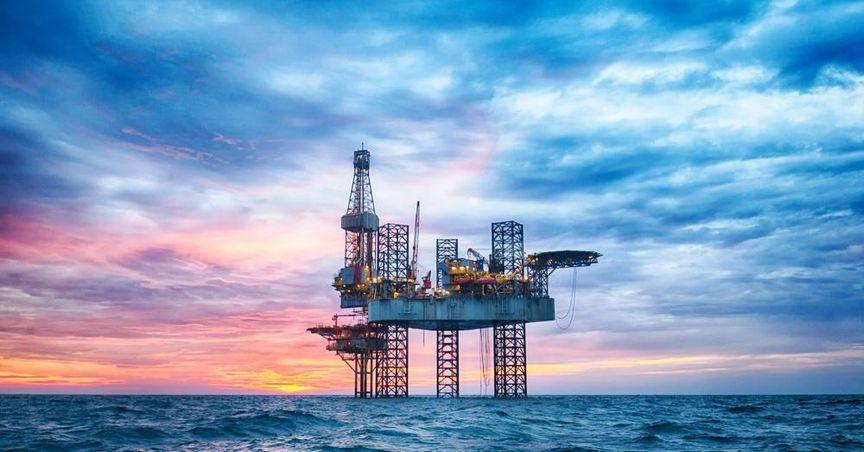
Among Australia's major energy producers, Woodside Energy Group (ASX:WDS) has explored hydrogen opportunities as part of its broader strategy to adapt to a lower-emissions future.
Opportunities Accompanied by Uncertainty
Hydrogen's appeal lies in its versatility and potential role in reducing emissions across a range of industries. However, commercial adoption remains at an early stage.
Production costs, infrastructure requirements and market demand continue to evolve. As a result, companies participating in hydrogen development are operating within an environment where technology pathways and commercial outcomes remain uncertain.
Despite these challenges, hydrogen remains one of the most closely watched segments of the energy transition and could play an increasingly important role in Australia's future energy mix.
Capital Demands Continue to Grow
One of the defining characteristics of the renewable transition is the scale of investment required. New generation assets, transmission networks, storage systems and supporting infrastructure all demand substantial capital.
For energy companies, maintaining financial discipline while funding large-scale projects is becoming increasingly important. Strong balance sheets and effective capital allocation strategies can help businesses navigate this period of change more effectively.
The transition is therefore not only a technological challenge but also a financial one. Companies must carefully manage investment programs while maintaining operational performance and long-term competitiveness.
Why Diversification Matters Across Energy
The evolution of Australia's energy sector highlights the importance of diversification across different parts of the market.
Renewable energy developers, transitioning utilities and established fossil fuel producers are all responding to the changing landscape in different ways. Each segment faces unique opportunities and risks as the transition unfolds.
Exposure across multiple energy themes can provide a broader perspective on how the sector is adapting. While renewable technologies continue to expand, traditional energy businesses still play an important role in maintaining energy security during the transition period.
The pace of change may vary across technologies and industries, but the broader direction remains clear. Australia's energy future is becoming increasingly focused on cleaner, lower-emission power generation supported by modern infrastructure and innovative technologies.
The Bigger Picture for Australia's Energy Future
Australia's renewable ambition is reshaping one of the country's most important industries. Utilities are reconfiguring their generation portfolios, storage technologies are becoming essential to grid reliability and emerging solutions such as hydrogen are creating new avenues for growth.
The journey is unlikely to be straightforward. Significant investment requirements, evolving technologies and changing policy settings will continue to influence outcomes across the sector.
Nevertheless, the transition represents a fundamental shift in how energy is produced, stored and consumed throughout Australia. For companies operating across the energy value chain, adaptability, strategic execution and long-term planning are becoming increasingly important as the nation moves towards a cleaner energy future.
