
 AUS
AUS
 NZ
NZ
 UK
UK
 CA
CA
 USA
USA
 IND
IND






Highlights
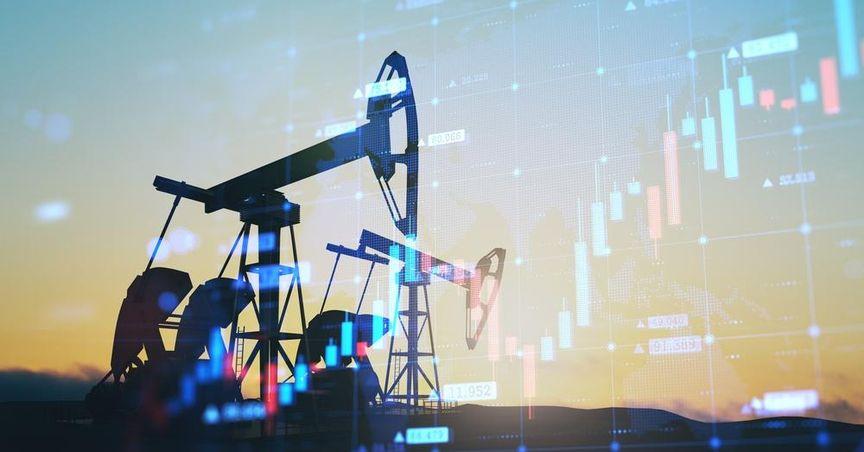
Traditional oil and gas producers continue generating strong cash flows despite the global energy transition.
Uranium and renewable energy themes are reshaping the future of the energy sector.
Australian energy stocks now offer exposure to both established and emerging energy markets.
The energy sector is undergoing one of the most significant transformations in modern market history. Across the Australian share market, energy companies are increasingly being divided into two distinct camps: the established fossil fuel producers that continue to power economies today, and the emerging energy businesses tied to nuclear power and renewable generation. This growing divide is reshaping how market participants view energy exposure, with companies such as Woodside Energy (ASX:WDS) standing alongside newer energy themes in a sector that is evolving faster than ever. Within the broader ASX 200, the energy landscape now reflects both the realities of current global demand and the ambitions of a lower-emissions future.
A New Era for ASX Energy Stocks
For decades, energy investing largely meant exposure to oil and gas producers. Today, the picture is considerably more complex. The emergence of renewable power, battery storage, electrification initiatives and renewed enthusiasm for nuclear energy has expanded the sector's reach.
This shift has created a broader universe of ASX Energy Stocks, giving market participants access to companies operating across multiple stages of the global energy transition.
Rather than replacing traditional energy overnight, new energy technologies are developing alongside existing fossil fuel infrastructure. As a result, the sector has become a blend of mature cash-generating businesses and emerging growth-focused industries.
The Staying Power of Traditional Energy
Why Oil and Gas Still Matter
Despite increasing focus on decarbonisation, oil and gas remain fundamental to global energy systems. Transport networks, manufacturing industries and electricity generation continue to depend heavily on conventional fuels.
Woodside Energy (ASX:WDS), one of Australia's largest energy producers, remains a key example of this segment. The company operates large-scale liquefied natural gas assets and continues to develop projects designed to meet long-term energy demand across international markets.
Natural gas occupies a particularly important role in the transition narrative. Many governments and industries view gas as a bridging fuel that can support energy reliability while renewable infrastructure expands.
Cash Flow and Income Appeal
Traditional energy companies are often associated with strong operating cash flows generated by established assets. These businesses can provide exposure to ongoing global energy consumption while maintaining significant infrastructure and export capabilities.
This segment of the market also frequently attracts attention from those seeking exposure to ASX Dividend Stocks, given the historical ability of large energy producers to return capital during favourable operating conditions.
However, the long-term challenge remains clear. As governments pursue lower-emissions targets and cleaner energy systems, fossil fuel producers must navigate changing regulations, shifting consumer preferences and evolving energy policies.
Uranium's Remarkable Revival
Nuclear Energy Returns to the Spotlight
One of the most notable developments in recent years has been the resurgence of interest in nuclear energy.
Once viewed cautiously by many markets, nuclear power has increasingly gained support as countries seek reliable, low-emission electricity generation. Unlike intermittent renewable sources, nuclear facilities can provide consistent baseload power around the clock.
Growing electricity demand from digital infrastructure, artificial intelligence applications and industrial electrification has further strengthened the conversation around nuclear energy's role in future power systems.
Uranium Emerges as a Key Theme
Paladin Energy (ASX:PDN), a uranium producer with international operations, has become one of the notable names associated with the nuclear power theme on the Australian market.
Supporters of the uranium sector point to supply constraints, energy security concerns and increasing recognition of nuclear power's contribution to emissions reduction efforts.
At the same time, uranium remains a commodity market influenced by regulatory decisions, project development timelines and changing geopolitical priorities. These factors can create a unique set of opportunities and challenges that differ significantly from traditional energy markets.
The uranium segment also intersects with the broader universe of ASX Metal & Mining Stocks, highlighting the increasingly blurred lines between resource extraction and energy production.
Renewables Continue Building Momentum
Australia’s Renewable Transformation
Renewable energy remains one of the defining themes shaping the future of electricity generation.
Australia's energy transition includes growing investment across solar, wind, battery storage and transmission infrastructure. These technologies are becoming increasingly important as electricity demand expands and ageing power assets are gradually replaced.
The renewable sector represents a different investment proposition from traditional energy producers. Rather than relying primarily on commodity prices, renewable projects are often influenced by technology improvements, infrastructure deployment and policy frameworks.
Established Players Join the Shift
Interestingly, the divide between old and new energy is not always absolute.
Many traditional energy companies are exploring opportunities in hydrogen, carbon management and renewable infrastructure. Likewise, utility operators are expanding renewable portfolios while progressively reducing exposure to higher-emission generation assets.
This convergence demonstrates that the energy transition is not simply a battle between competing technologies. Instead, it reflects a gradual reshaping of how energy is produced, transported and consumed.
Why the Transition Remains Uncertain
Different Drivers, Different Outcomes
One reason energy remains such a fascinating sector is that old and new energy assets often respond to completely different market forces.
Oil and gas producers may benefit from supply disruptions, geopolitical developments and commodity demand trends. Renewable energy companies are more closely linked to infrastructure development, technological innovation and regulatory frameworks.
Meanwhile, uranium producers occupy a unique position influenced by both resource market dynamics and global energy policy decisions.
These differing drivers mean that various segments of the energy sector can perform very differently even during the same market environment.
Global Energy Security Matters
Recent years have demonstrated how quickly energy security can move to the forefront of government agendas.
Supply chain disruptions, geopolitical tensions and changing trade relationships have reinforced the importance of reliable energy access. As a result, countries are increasingly pursuing diversified energy systems that include a mix of conventional fuels, renewables and, in some cases, nuclear generation.
This approach highlights why both traditional and emerging energy sources continue to attract attention despite differing long-term narratives.
Finding Balance Across the Energy Spectrum
Avoiding an All-or-Nothing View
The biggest lesson from the energy transition may be that the future is unlikely to be defined by a single energy source.
Oil and gas continue to play a vital role in the current global economy. Nuclear power is gaining renewed relevance as countries seek dependable low-emission electricity. Renewable technologies continue expanding as infrastructure and technology improve.
Each segment offers exposure to different themes, risks and economic drivers.
Rather than viewing the energy transition as a simple replacement of one energy source with another, many market observers increasingly see it as a period of coexistence where multiple technologies contribute to meeting growing global energy demand.
A Sector Defined by Change
Energy has become one of the most dynamic sectors on the Australian market. It combines established companies generating significant revenue today with emerging industries shaping tomorrow's energy landscape.
The result is a sector unlike any other, where traditional fuel producers, uranium miners and renewable developers all compete for relevance in a rapidly changing world.
As the transition continues to unfold, the distinction between old and new energy may become one of the defining themes influencing Australia's energy sector for years to come.
