
 AUS
AUS
 NZ
NZ
 UK
UK
 CA
CA
 USA
USA
 IND
IND







Highlights
Lithium and iron ore companies reflect diverse resource sector activity.
Mining operations support industrial supply chains and global demand.
Sector participation spans battery materials and bulk commodities.
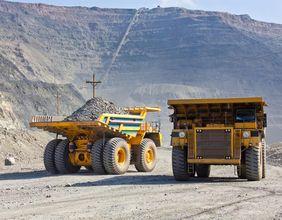
Pilbara Minerals and Rio Tinto highlight ASX 200 resource sector activity, reflecting lithium and iron ore operations, global supply chains, and diversified mining participation.
The mining and resource sector within the ASX 200 represents a significant component of the Australian equity market, encompassing companies engaged in the extraction and processing of minerals essential for industrial production. This sector includes both bulk commodities such as iron ore and specialised materials like lithium, each contributing to distinct areas of economic activity.
Pilbara Minerals Limited (ASX:PLS) and Rio Tinto Limited (ASX:RIO) operate within this sector, focusing on lithium production and diversified mining activities respectively. Pilbara Minerals is engaged in lithium extraction linked to battery materials, while Rio Tinto operates across iron ore, aluminium, and other mineral resources. These companies illustrate the breadth of operations within the resource sector.
The inclusion of such companies within the index highlights the role of mining in supporting global supply chains. Resource extraction connects upstream activities with downstream industries such as manufacturing, construction, and energy systems.
Mining companies contribute to economic activity by supplying materials that are essential for infrastructure development and technological applications. This integration underscores the importance of the resource sector within the broader market.
Lithium Production And Battery Material Applications
Lithium production has gained prominence due to its application in battery technology, particularly within electric mobility and energy storage systems. Pilbara Minerals operates within this segment, focusing on the extraction and processing of lithium-bearing materials.
Lithium compounds are used in the manufacturing of batteries that power electric vehicles, consumer electronics, and renewable energy storage systems. This connection links resource extraction with advanced manufacturing industries.
The production process involves mining lithium ore, processing it into concentrate, and supplying it to manufacturers. These materials are integrated into battery cells that support energy storage and discharge.
Within the broader ASX All Ords, lithium companies contribute to market diversity by representing battery materials and energy-related resources. Their inclusion reflects the increasing importance of electrification in industrial systems.
The role of lithium within modern industries highlights its relevance across multiple applications, connecting mining operations with technological development.
Iron Ore And Diversified Mining Operations
Iron ore remains one of the most significant commodities within the resource sector, supporting steel production and infrastructure development. Rio Tinto operates within this space, managing large-scale mining operations focused on iron ore and other minerals.
Iron ore is used in the production of steel, which is essential for construction, manufacturing, and transportation systems. Mining companies supply this material to global markets, supporting industrial activity across regions.
Rio Tinto’s operations extend beyond iron ore to include aluminium, copper, and other resources. This diversified structure reflects the company’s participation in multiple segments of the mining industry.
Mining processes involve exploration, extraction, processing, and transportation of materials. These activities are integrated within supply chains that connect resource-rich regions with manufacturing hubs.
Within financial categories such as ASX dividend stocks, diversified mining companies often form a key segment, reflecting their established operational frameworks. The presence of iron ore and diversified mining activities highlights the scale and complexity of resource sector operations.
Market Representation And Sector Diversity
The resource sector contributes to equity markets by representing industries involved in mineral extraction and industrial supply. Pilbara Minerals and Rio Tinto illustrate how companies operate across different segments within the same sector.
Within the ASX 300, mining companies operate alongside firms from sectors such as financials, healthcare, and technology. This diversity reflects the multifaceted nature of the equity market.
Sector representation highlights how different industries contribute to overall economic activity. Lithium and iron ore represent distinct resource categories, each supporting different industrial applications.
Market participation includes mining companies, processing facilities, and manufacturers who engage with raw materials at various stages of the value chain. These interactions contribute to the movement of resources across industries. The inclusion of both specialised and diversified mining companies demonstrates the layered structure of the resource sector.
Global Supply Chains And Resource Integration
Global supply chains play a central role in the resource sector, connecting mining operations with industrial and manufacturing processes. Lithium and iron ore are transported across regions to support production in various industries.
Pilbara Minerals’ lithium output is supplied to battery manufacturers, while Rio Tinto’s iron ore is utilised in steel production. These materials form part of interconnected supply chains that span multiple countries.
The integration of resource extraction with global markets reflects the interconnected nature of industrial systems. Materials produced in one region are utilised in manufacturing hubs across the world.
Technological advancements in mining and logistics have influenced how companies operate within global supply chains. These developments enable efficient extraction, processing, and transportation of resources.
Market participation within the resource sector includes collaboration between mining companies, logistics providers, and manufacturers. These interactions contribute to the distribution and utilisation of materials. The global reach of mining operations underscores the importance of resource companies in supporting industrial development and economic activity.
