
 AUS
AUS
 NZ
NZ
 UK
UK
 CA
CA
 USA
USA
 IND
IND







Highlights
ASX iron ore stocks are being shaped by steel production activity, customer demand and operational performance.
Fortescue (ASX:FMG), Mineral Resources (ASX:MIN), Champion Iron (ASX:CIA), Mount Gibson Iron (ASX:MGX) and BHP Group (ASX:BHP) reflect varied iron ore business models.
Shipments, customer relationships, operational efficiency and capital management remain key sector themes.
ASX iron ore stocks remain in focus as shipments, customer engagement, capital returns and mining operations shape discussions across the bulk commodities sector.
The iron ore sector remains one of the most influential parts of the Australian share market, connecting resource production, export activity, infrastructure networks and global industrial demand. Within major benchmarks such as ASX 200, iron ore companies play a significant role due to their contribution to exports, mining activity and broader economic participation. The sector frequently attracts attention because it sits at the intersection of steel production, international trade, shipping activity and resource development, making it one of the most closely followed commodity categories in Australia.
The companies commonly discussed within this category include Fortescue (ASX:FMG), Mineral Resources, Champion Iron, Mount Gibson Iron and BHP Group. While each company is associated with iron ore, their operational structures differ considerably. Some operate large-scale export businesses, others focus on specialised mining assets, while diversified mining groups participate across multiple commodities. These differences help explain why company-specific developments often carry as much importance as broader commodity themes.
Steel Production Activity Remains Central To The Sector
Steel production remains one of the most important influences on iron ore discussions. Iron ore is a key raw material used in steelmaking, creating a direct connection between mining activity and industrial production. Changes in steel sector conditions often attract attention because they can influence broader commodity market conversations.
Mining companies routinely monitor steel production activity, customer demand and industrial developments across major markets. These factors contribute to discussions surrounding shipments, production planning and operational priorities. Because iron ore producers supply customers across multiple regions, steel-related developments remain closely connected to sector activity.
Customer engagement also plays an important role. Mining companies often maintain long-standing relationships with steel producers, commodity traders and industrial customers. These relationships contribute to the movement of iron ore from mine sites to end markets and remain an important part of commercial activity.
Fortescue operates within a segment of the industry that is frequently discussed in relation to export shipments and customer engagement. The company highlights how large-scale iron ore producers interact with global markets while managing extensive mining and logistics networks.
The connection between mining companies and steel production extends beyond simple supply arrangements. Product quality, ore characteristics, blending requirements and shipping logistics can all influence how customers utilise iron ore products. These factors contribute to ongoing discussions surrounding market positioning and operational execution.
Mining companies also remain focused on maintaining reliable supply chains. Rail systems, port facilities and shipping arrangements are essential components of iron ore operations. The efficiency of these systems can influence operational outcomes across the sector.
The iron ore industry continues evolving alongside broader industrial activity. Changes in manufacturing, infrastructure development and construction activity can influence steel demand patterns, creating ongoing interest in commodity market developments.
Operational updates frequently reference production activity, export volumes and customer engagement because these factors remain closely tied to the functioning of the iron ore supply chain.
Shipments And Logistics Continue To Drive Industry Attention
Shipments remain one of the most closely watched aspects of the iron ore sector. Mining companies invest heavily in infrastructure that supports the movement of ore from mine sites to export terminals. Rail networks, processing facilities, stockyards and ports all contribute to the delivery of products to customers around the world.
Mineral Resources (ASX:MIN) and Champion Iron (ASX:CIA) illustrate how different companies approach mining operations and logistics management. Their activities highlight the importance of operational coordination across exploration, mining, processing and transportation functions.
Logistics efficiency remains a recurring theme because iron ore is transported in significant quantities. Reliable transport systems support operational continuity while enabling producers to meet customer requirements. Mining companies often provide updates on rail performance, port activity and shipment schedules as part of broader operational reporting.
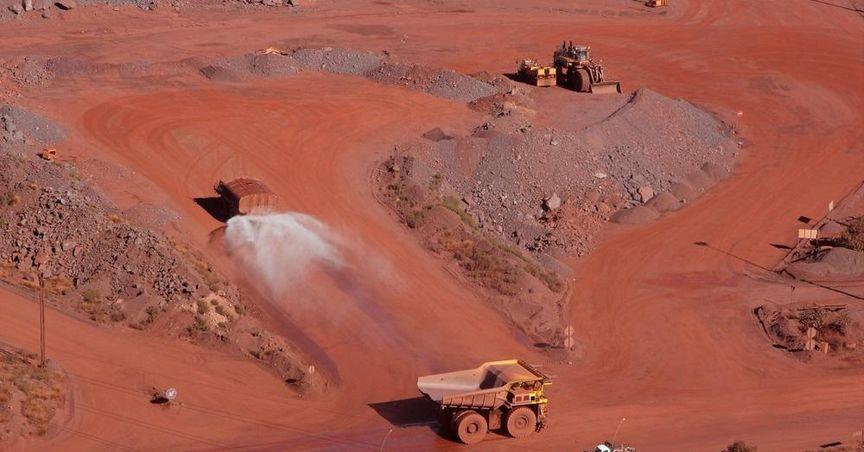
Pilbara operations remain particularly significant within Australian iron ore discussions. The region hosts extensive mining infrastructure and export facilities that support large-scale production activity. Its importance to the sector has made operational efficiency a recurring topic across mining updates.
Mount Gibson Iron (ASX:MGX) contributes another perspective through its participation within the iron ore industry. The company demonstrates how smaller-scale producers can remain relevant within broader discussions surrounding production, shipments and operational execution.
Export activity also connects the sector to international trade flows. Iron ore remains one of Australia's major export commodities, linking mining operations with global industrial activity. This international exposure contributes to the sector's visibility within financial markets.
Shipping activity is another area frequently discussed. Vessel availability, port operations and transport scheduling all contribute to the movement of iron ore products. These logistical considerations form part of the broader mining ecosystem supporting export operations.
The sector's operational complexity highlights why shipment activity remains central to industry discussions. Mining companies must coordinate extraction, processing, transport and export infrastructure while maintaining operational consistency.
Broader market participants frequently monitor mining activity through benchmarks such as the asx all ords, where major resource companies contribute significantly to overall market performance.
Capital Management And Mining Company Priorities
Capital management remains an important area of focus across the iron ore sector. Mining companies frequently allocate capital toward operational improvements, mine development, infrastructure maintenance and future project opportunities. These decisions contribute to broader discussions surrounding business priorities.
BHP Group (ASX:BHP) represents one of the most widely recognised mining companies within the Australian market. Its diversified operations provide a broader perspective on how resource companies approach capital allocation, operational planning and portfolio management.
Capital returns frequently attract attention because they form part of broader corporate strategies. Mining companies often discuss shareholder distributions, capital allocation frameworks and funding priorities as part of regular updates. These themes contribute to understanding how businesses manage cash generation from mining activities.
Infrastructure investment also remains significant. Rail networks, port facilities, processing plants and mine development projects require ongoing capital support. These investments help sustain operational capability while supporting future production activities.
Mining companies routinely evaluate project opportunities alongside existing operations. Exploration programs, mine extensions and infrastructure enhancements contribute to long-term operational planning. These activities form part of broader discussions regarding operational continuity.
The iron ore sector also faces changing operational requirements as technology becomes increasingly integrated into mining activities. Automation systems, data monitoring tools and advanced operational technologies are now common across many mining environments. These developments support efficiency and operational oversight.
Customer relationships remain connected to capital decisions. Mining companies often align operational planning with customer requirements, product specifications and export commitments. This interaction highlights the commercial dimensions of the sector.
Capital allocation can therefore influence several areas simultaneously, including operational capability, infrastructure quality and customer service. These connections explain why capital management remains a recurring topic within mining sector discussions.
Some iron ore companies are also referenced alongside ASX dividend stocks because established resource producers frequently occupy visible positions within Australian equity markets. This association reflects the sector's broader market significance rather than any single operational outcome.
Customer Relationships And Product Quality Matter
Customer relationships remain an essential part of the iron ore industry. Mining companies operate within global commodity markets where customer engagement, product consistency and supply reliability contribute to commercial success.
Different customers often have different requirements regarding ore quality, product specifications and blending characteristics. As a result, mining companies frequently focus on maintaining product quality while supporting customer needs across various markets.
Product characteristics can influence how iron ore is utilised within steelmaking operations. Ore grade, impurity levels and processing requirements may all contribute to customer preferences. These factors help explain why mining companies often discuss product portfolios alongside production activity.
Fortescue, Mineral Resources and Champion Iron each participate within different areas of the iron ore market. Their operational profiles demonstrate how product positioning can vary across producers while remaining connected to broader commodity themes.
Customer concentration remains another recurring discussion point. Mining companies often seek diversified customer bases while maintaining strong commercial relationships. This balance helps support operational continuity and export activity.
Commercial engagement extends beyond individual shipments. Long-term relationships, product consistency and service reliability all contribute to ongoing interactions between producers and customers. These factors often receive attention within mining-sector updates.
The sector's international nature means customer activity frequently reflects broader industrial trends. Infrastructure projects, manufacturing activity and steel production can all influence demand patterns across export markets.
Product quality also connects with operational execution. Mining companies invest in processing facilities and quality-control systems designed to deliver consistent products. These efforts support customer requirements while reinforcing commercial relationships.
As customer expectations evolve, producers continue adapting operational practices to maintain competitiveness within global commodity markets. This interaction between customer needs and operational delivery remains central to the iron ore story.
Operational Efficiency And The Evolving Iron Ore Landscape
Operational efficiency remains one of the defining characteristics of modern iron ore mining. Companies continuously work to improve productivity, optimise logistics networks and maintain reliable operations across complex mining systems.
Mining operations involve several interconnected processes, including exploration, extraction, processing, transportation and export. Efficient coordination across these activities contributes to operational consistency while supporting customer commitments.
Pilbara mining operations remain particularly influential within the Australian iron ore sector. Extensive infrastructure networks, export facilities and established mining operations have helped shape the region's position within global commodity markets. Operational developments within this area often attract attention due to their broader industry relevance.
Technology continues influencing the mining landscape. Automation systems, remote operations centres and data-driven monitoring platforms are increasingly integrated into mining environments. These tools support operational management while improving visibility across production systems.
Environmental management also remains part of the broader industry conversation. Mining companies continue working within regulatory frameworks that govern land use, environmental stewardship and operational compliance. These considerations form part of modern mining operations.
The iron ore sector continues interacting with global industrial activity, trade flows and infrastructure development. This broad exposure contributes to its significance within both the Australian economy and international commodity markets.
Within ASX 100 and ASX 300 discussions, iron ore companies remain highly visible due to their scale, export importance and contribution to resource-sector activity. Their operational updates often provide insight into broader commodity market developments.
The combination of shipments, customer engagement, capital allocation and operational efficiency continues shaping the iron ore narrative. Each factor contributes to understanding how mining companies navigate a complex environment while maintaining production, export activity and customer relationships.
As iron ore producers continue operating across evolving market conditions, attention remains focused on logistics capability, commercial engagement, product quality and infrastructure performance. Together, these themes provide a practical framework for understanding the sector and the companies that participate within it.
